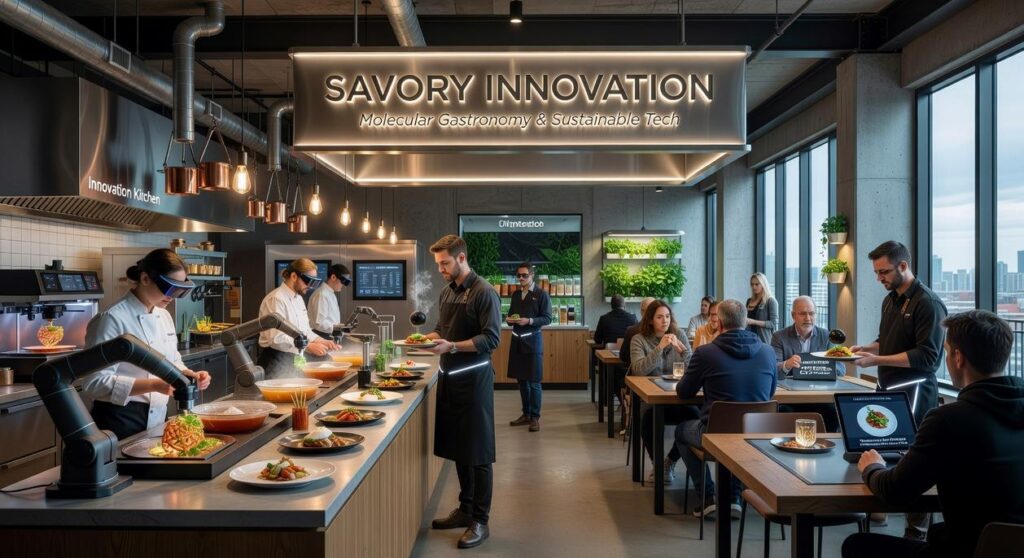

If you’re searching for smarter ways to elevate your snacking game, you’re in the right place. This article explores the culinary pulse behind today’s most exciting bite-sized creations—from bold seasoning blends to better-for-you ingredient swaps and clever kitchen shortcuts. Whether you’re curious about fusion-inspired combinations, looking to spotlight healthier components, or experimenting with flavor layering techniques to create deeper, more satisfying taste experiences, we break it all down in a practical, approachable way.
We’ve analyzed emerging snack trends, studied ingredient functionality, and tested preparation and packaging methods to ensure every insight is grounded in real-world results. Instead of vague inspiration, you’ll find clear explanations of what works, why it works, and how to apply it to your own snack creations.
By the end, you’ll understand how to build balanced flavors, enhance texture, and turn simple ingredients into crave-worthy bites with confidence.
Close your eyes and remember the crackle of a perfectly seared crust, the aroma of garlic blooming in warm oil, the bright pop of citrus at the finish. That’s not luck. It’s flavor layering techniques in action. First, build a savory base with salt and fat; then, add contrast—sweet honey, sharp vinegar, smoky chili. Finally, lift the bite with fresh herbs or a squeeze of lemon. Some argue great ingredients alone are enough. However, without layers, dishes taste flat (like a song stuck on one note). For a deeper dive, see this overview on taste science: https://en.wikipedia.org/wiki/Flavor. Savor deliberately.
Beyond One-Note: The Art and Science of Flavor Layering
Ever taken a bite of something that looked amazing… and tasted flat? It’s frustrating. You followed the recipe, used good ingredients, and yet the final result felt one-dimensional. That’s usually because flavor layering is more than just adding ingredients; it’s about adding them at the right time and in the right order to build a symphony of taste. This methodical approach creates depth and a more engaging eating experience that keeps your palate guessing.
Think of it like a painting: you start with a base color, add mid-tones for body, and finish with highlights that make the image pop. In cooking, we do the same with flavor. And yet, so many home cooks dump everything in at once (we’ve all done it) and hope for magic.
The core components are the five basic tastes: Salty, Sweet, Sour, Bitter, and Umami—umami meaning that savory, deeply satisfying taste found in foods like mushrooms or aged cheese. However, true mastery also involves layering textures (creamy vs. crunchy) and temperatures (warm vs. cool).
When you apply flavor layering techniques thoughtfully—blooming spices early, finishing with acid late—you avoid bland bites and create contrast worthy of a cooking show finale. Ultimately, balance is what turns food from forgettable to craveable.
Building Your Flavor Foundation: The First and Most Crucial Layer
Every great dish starts with a solid foundation. I learned that the hard way. Early on, I’d rush the base—crank the heat, toss everything in, hope for magic. Instead, I got flat soups and one-note sauces. It turns out, skipping the foundation is like skipping soundcheck before a concert (and yes, everyone notices).
First, aromatics matter. Gently sautéing a mirepoix—onion, celery, carrot—or a sofrito of onion, garlic, and peppers releases essential oils into the fat. However, if the heat’s too high, they scorch instead of soften. Lesson learned: low and slow builds sweetness.
Then there’s browning. Searing meat or caramelizing vegetables triggers the Maillard reaction, creating hundreds of new flavor compounds (Harold McGee, On Food and Cooking). I used to overcrowd the pan. Big mistake. Instead of browning, everything steamed.
Don’t forget toasted spices. Blooming them in oil for 30–60 seconds awakens volatile compounds and deepens aroma. Once, I added them straight to liquid—muted and disappointing.
Common base-building errors:
- Overcrowding the pan
- Under-seasoning early
- Rushing aromatics
- Skipping spice blooming
Mastering flavor layering techniques changed everything. And if you’re curious about bold foundations, explore unexpected spice blends trending in artisan treats.
From Depth to Dazzle: Adding Mid-Notes and High-Notes
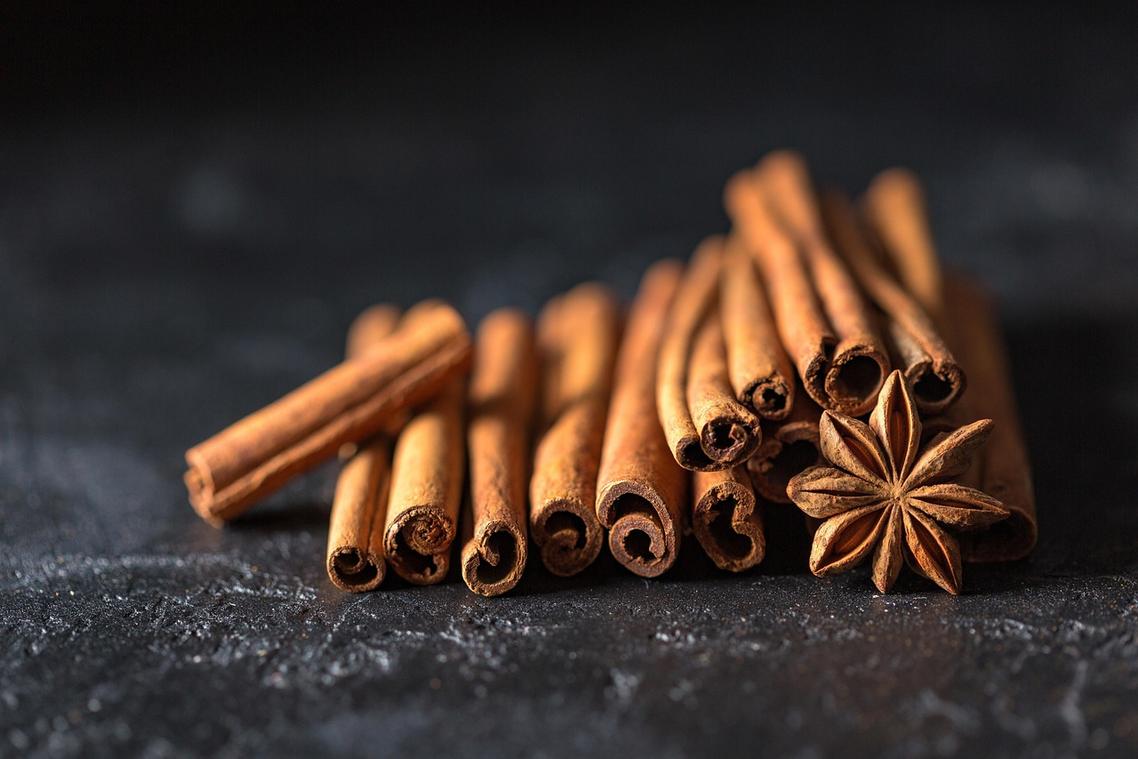
Once your base is steady and savory, mid-notes step in as the true character actors of a dish. Think of them as the supporting cast that often steals the show (yes, we’re looking at you, mushrooms). Hardy herbs like rosemary or thyme, a splash of stock, or wine used for deglazing all simmer into the background, creating cohesion. Earthy tomatoes and slow-cooked mushrooms don’t just add flavor—they build resonance.
Compare this to skipping mid-notes entirely. Base-only cooking can taste flat, even if seasoned well. On the other hand, overloading high-notes too early results in sharpness without depth. Mid-notes vs. high-notes isn’t a competition; it’s timing. Mid-notes require patience. High-notes demand restraint.
Now enter the high-note—the final flourish. A squeeze of lemon or lime cuts through richness. Fresh cilantro or parsley adds a green spark. A drizzle of quality olive oil enhances aroma. A pinch of flaky sea salt delivers texture and a subtle crunch. High-notes should brighten, not dominate.
Some argue that complex layering overcomplicates everyday cooking. Why not toss everything in at once? Because flavor layering techniques rely on controlled sequencing. Adding lemon at the start dulls its vibrancy; stirring parsley into a long simmer erases its freshness.
Side-by-side, the difference is clear: rosemary simmered for 30 minutes becomes mellow and woodsy, while parsley added at plating tastes lively and crisp. One builds depth. The other delivers dazzle.
Balance both, and your dish moves from simply seasoned to memorable (the culinary equivalent of turning the lights on at just the right moment).
Don’t Forget the Feel: Layering Texture and Temperature
Truly exceptional food engages more than taste; it activates touch receptors in your mouth, a concept food scientists call mouthfeel (the physical sensation of food in the mouth). When you deliberately combine creamy with crunchy or hot with cold, you create contrast that keeps every bite interesting.
Textural contrast is the classic move. Think velvety tomato soup crowned with crackling croutons, or a soft taco punched up with shredded cabbage. That contrast prevents “palate fatigue,” the boredom that comes from uniform texture (yes, it’s a real sensory phenomenon).
Temperature contrast works the same magic. Warm brownie, cold ice cream. Hot ramen, chilled pickles. The brain registers the shift instantly, heightening flavor perception.
• Pro tip: keep toasted nuts or crispy shallots on hand for last-minute crunch.
Looking ahead, I predict more snack brands will use flavor layering techniques alongside temperature play—imagine chilled dips paired with heat-spiced chips. It’s speculation, but the trend toward multi-sensory eating seems inevitable.
Start Cooking with Depth and Confidence
You now have the framework to move beyond one-dimensional meals. By thinking in layers—a savory base like soffritto, complex mid-notes from toasted cumin or Calabrian chili, and bright high-notes such as Meyer lemon—you apply flavor layering techniques with intention. In test kitchens from Brooklyn to the Bay Area, chefs swear by this structure.
Start small. Add parsley and lemon zest to weeknight pasta and taste the lift (it’s like turning on the lights).
- Pro tip: Finish with flaky sea salt for contrast.
Practice, adjust, repeat, and cook with bold confidence every day today.
Take Your Snacks From Ordinary to Crave-Worthy
You came here looking for fresh ways to elevate your snacks with smarter ingredients, bold combinations, and creative twists. Now you have the tools to do exactly that.
From experimenting with flavor layering techniques to exploring healthier ingredient swaps and smarter packaging hacks, you’re no longer stuck with bland, repetitive options. You understand how to build depth, balance textures, and create snacks that actually satisfy cravings without the guilt.
The real frustration isn’t a lack of snacks — it’s a lack of exciting, better-for-you choices that don’t sacrifice flavor. That’s where your new approach changes everything.
Now it’s time to act. Start testing one new fusion idea this week. Play with contrasting spices, add a surprise crunch, or upgrade your prep method. If you want even more inventive ideas and proven snack innovations trusted by thousands of flavor-forward food lovers, explore our latest creations and guides today.
Your next signature snack is just one bold experiment away.