You tried that Cwbiancarecipes dish. The one with the glossy sauce and the crisp edges. It looked perfect online.
But yours came out soggy. Or tough. Or bland.
Not because you used bad ingredients.
Because you missed how to cook it.
Cwbiancarecipes don’t fail on ingredients. They fail on technique. And most recipes skip the part where they tell you why the oil must shimmer (not) smoke (or) why you flip once, not ten times.
I’ve spent years testing these dishes. Not just following recipes (but) breaking them down. Region by region.
Pan by pan. Batch by batch. Some versions need a hotter wok.
Others demand slower heat. A few rely entirely on timing you can’t eyeball.
This isn’t a list of tips.
It’s not theory.
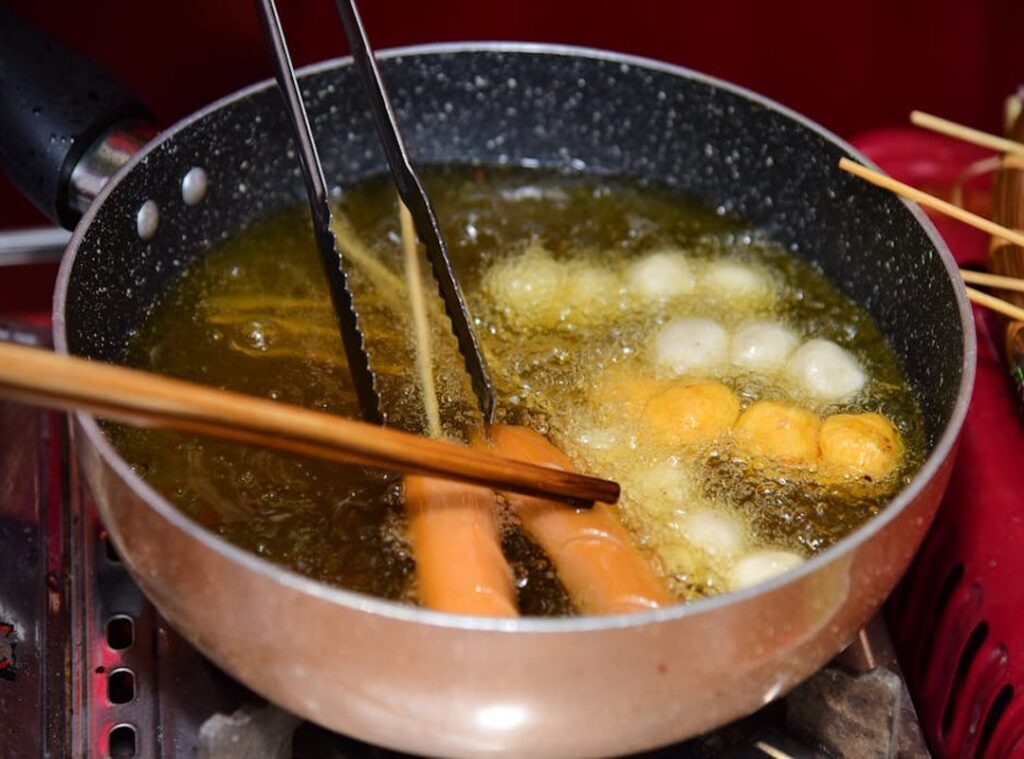
It’s the Frying Guide Cwbiancarecipes. The exact moves that make the difference between “meh” and “how did you do that?”
No assumptions. No jargon. Just what works.
Every time.
The Low-and-Slow Simmer: Why Temperature Control
I used to boil Cwbiancarecipes broth like it owed me money.
Turns out, that’s how you get bitterness (not) depth.
This isn’t about patience. It’s about physics. Heat too hard and the fats separate, the herbs burn, and the broth turns thin and sharp.
Read more about why simmering is the only way in.
You want gentle bubbles. Not a rolling boil. A soft hiss, not a roar.
Surface shimmer, not churning. That’s your cue.
If you hear it sizzle, you’re already too high.
I tested two batches side by side. Same ingredients. Same pot.
One boiled for 12 minutes. The other simmered at 195°F for 45 minutes. The boiled version tasted flat and greasy.
The simmered one had roundness (like) the difference between a shout and a whisper.
Thin aluminum pots fail every time. They overheat in spots, scorch the bottom, and lie to you about what “low” really means.
Use heavy-bottomed stainless or enameled cast iron. They hold heat evenly. They forgive small mistakes.
If your sauce splits or the herbs turn acrid. Drop the heat first. Then wait.
Then adjust. Never add liquid to fix it. You’ll just dilute the damage.
I’m not sure why so many recipes skip this step. Maybe they assume you’ll just know. You won’t.
Not until you’ve ruined three broths.
Frying Guide Cwbiancarecipes? Skip it. This isn’t frying.
It’s listening.
Your pot should feel warm (not) hot (to) the back of your hand. If it’s uncomfortable, it’s wrong.
Simmering isn’t passive. It’s active restraint.
And it works.
Layering Aromatics: The Order That Changes Everything
I burn garlic at least twice a week.
It happens every time I rush.
Garlic goes in first. But only for 15 seconds. Not 20.
Not 30. Fifteen. It sizzles, smells sweet, then turns bitter if you blink.
Ginger next. Thirty seconds. It needs more time to lose the raw edge.
Scallion whites? Twenty seconds. They’re sturdier than you think.
Then dried spices (cumin,) coriander, turmeric. Bloom them in hot oil (not) cold, not lukewarm. Cumin seeds need 320°F to pop open and release flavor. Garlic burns at 300°F.
So yes. Timing is non-negotiable.
Fresh chilies go last. Five seconds. Just enough to soften without losing bite.
Stirring constantly? Stop it. You want light caramelization, not steam.
Pre-minced garlic paste? Don’t. It’s waterlogged and burns before it flavors.
Pro tip: Toast whole spices dry in the pan first. Cool them slightly. Then grind.
Never skip this step for Cwbiancarecipes. The difference is real. Toasted cumin tastes like earth and smoke, not dust.
Here’s what actually works:
Garlic → ginger → scallion whites → dried spices → fresh chilies. That’s the sequence. Stick to it.
Does your oil shimmer but not smoke? Good. Is your garlic golden, not brown?
Even better.
I go into much more detail on this in Fresh Fruit Cwbiancarecipes.
This isn’t theory.
It’s what makes or breaks the dish before you add anything else.
The Frying Guide Cwbiancarecipes starts here (with) heat, timing, and zero forgiveness.
Acid Balance: When to Add Vinegar, Citrus, or Ferment
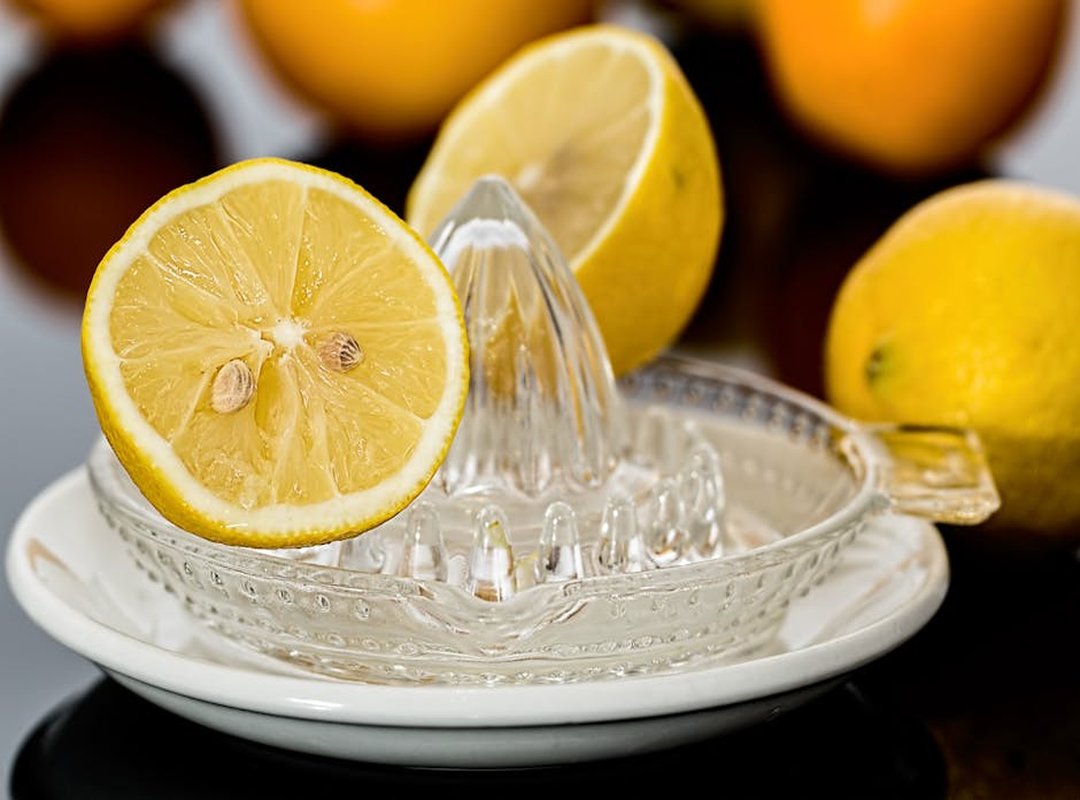
I add acid for one reason: to wake up the dish. Not to make it sour. Not to mask anything.
To lift it.
Brightener? That’s lime zest. I toss it in at the very end.
Heat kills its aroma. You’ll smell the difference instantly (like) opening a window mid-cook.
Tenderizer? Rice vinegar. I stir it in mid-cook, right after the protein firms up but before it dries out. 1 tsp per 1 cup liquid.
No guessing. Too much and you get tang. Too little and the meat stays dull.
Umami amplifier? Fermented black bean paste. I fry it with garlic and ginger at the start.
You taste before adding acid. Then you taste again. Look for lifted aroma.
It needs time to bloom. ½ tsp per 2 servings. Less than that and it vanishes. More and it overpowers.
Not sourness. Adjust once. Done.
Tamarind-based Cwbiancarecipes are the exception. Simmer first. Then add acid.
Heat flattens tamarind’s tartness. I learned that the hard way (burnt tongue, sad noodles).
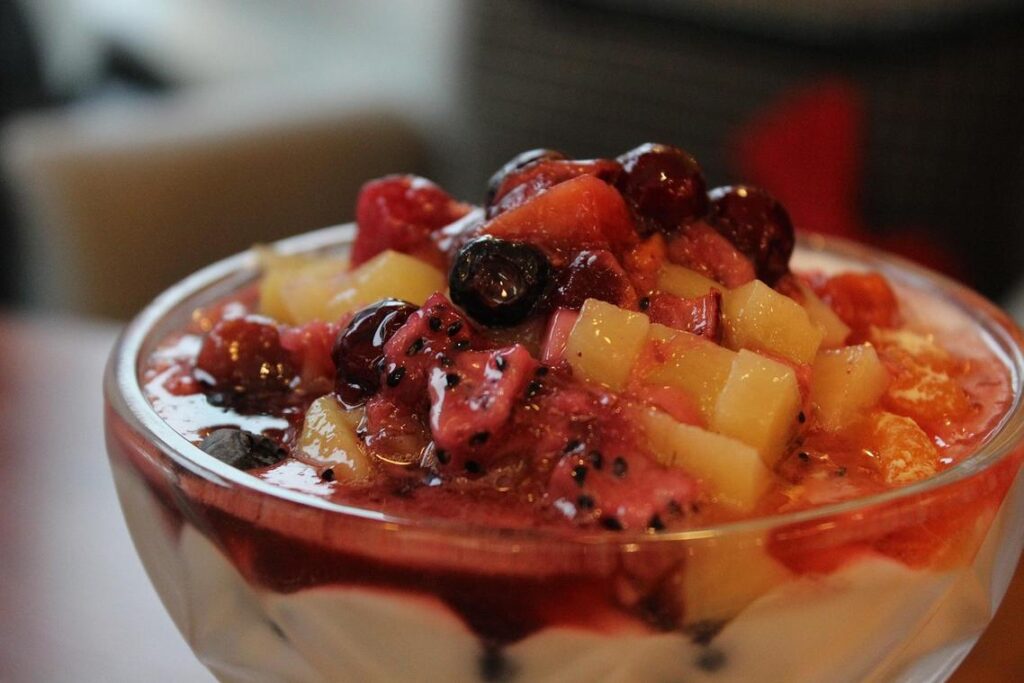
If you’re working with fruit-forward dishes, check the Fresh Fruit Cwbiancarecipes guide. It shows how acid plays differently when fruit leads.
And skip the Frying Guide Cwbiancarecipes if your pan’s not hot enough. Smoke point matters more than you think.
Texture Mastery: Stir-Fry, Steam, and Rest Timing
I burned my first batch of Cwbiancarecipes dumplings because I ignored the cold-water start. (Yes, really.)
Stir-fry meat on high heat. 90 seconds max. Any longer and it turns rubbery. Greens?
Medium heat. Thirty seconds. That’s it.
You’ll hear the sizzle drop (that’s) your cue to stop.
Steaming isn’t about time. It’s about physics. Cold water + tight lid = gentle, even steam build-up.
Boiling water first? You’ll get soggy bottoms and split skins. I’ve done it.
Don’t repeat my mistake.
Resting is non-negotiable. Sliced proteins need 3 minutes off-heat. Braised things? 10 minutes covered.
Cut into hot braised pork and you’ll lose half the juice onto the plate.
Glossy sheen? Rested enough. Steam still rising?
Wait. Grain separation in rice or noodles? Overcooked.
No going back.
Nonstick pans kill wok hei. Full stop. Carbon steel only.
Heat it until it smokes, then oil. That’s how you get flavor.
The Frying Guide Cwbiancarecipes doesn’t cover this (it) assumes you already know the basics. (It shouldn’t.)
You want real texture control? Start here. Not with gadgets.
Not with apps. With timing, heat, and a lid that seals.
Grab the full set of tested refreshments and prep notes at Refreshments cwbiancarecipes.
Your First Cwbiancarecipes Dish Starts Tonight
I’ve been there. You follow every step. Measure twice.
Heat the pan just right. And still (flat) flavor. Gummy texture.
Confusing results.
That’s not you. It’s the recipe’s missing precision.
The four pillars fix that. Controlled simmer. Layered aromatics.
Intentional acid. Timed texture work.
You don’t need to master all four tonight. Just pick Frying Guide Cwbiancarecipes. One technique.
Try it on your next dish. Taste the difference in balance. Feel the shift in mouthfeel.
That sour note that used to overwhelm? Gone. That mushy vegetable?
Crisp-tender. You’ll notice it immediately.
Your kitchen isn’t missing ingredients. It’s missing precision. You’ve got both now.
Grab a pan. Pick one technique. Cook tonight.