If you’re searching for fresh snack inspiration that goes beyond the ordinary, you’re in the right place. This article explores the latest culinary pulse shaping modern snacking—from inventive fusion ideas and healthy ingredient spotlights to smart cooking and packaging hacks you can actually use. Whether you’re a home cook experimenting in your kitchen or a snack enthusiast looking for bold new tastes, you’ll find practical insights designed to spark creativity and elevate everyday bites.
We’ve analyzed emerging flavor trends, tested ingredient combinations, and examined what makes certain concepts turn into successful flavor experiments while others fall flat. By blending hands-on testing with careful research into nutrition and food innovation trends, this guide delivers ideas that are both exciting and achievable.
Expect clear, actionable tips, thoughtful breakdowns of flavor pairings, and inventive approaches that help you create snacks that are memorable, balanced, and uniquely satisfying.
Unlocking Your Culinary Creativity: Beyond Salt and Pepper
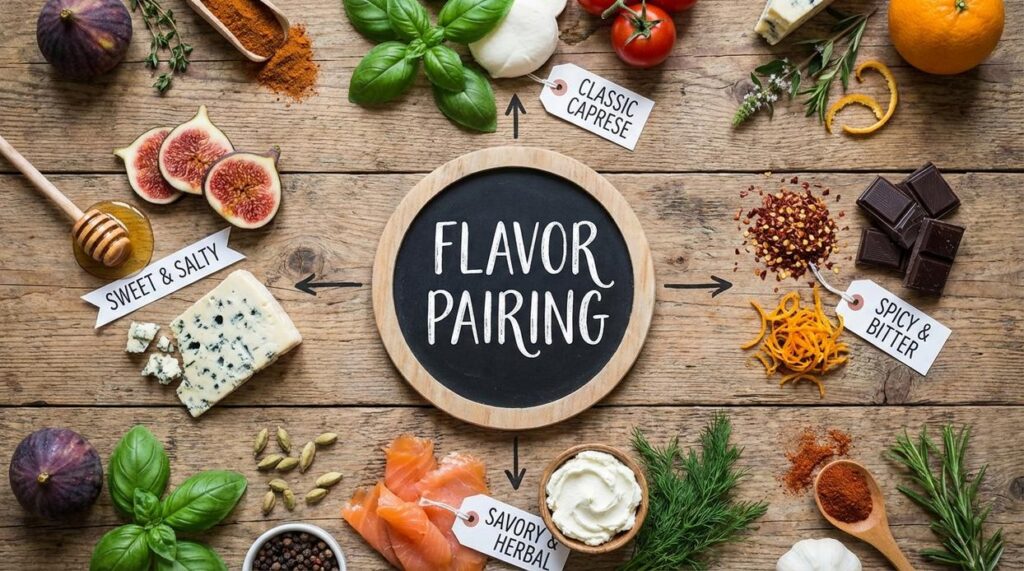
Feeling stuck with the same old seasonings? You’re not alone. Many home cooks rely on salt and pepper because they understand them, but flavor is broader than that. Flavor pairing means combining ingredients that share chemical compounds or cultural history. (In simple terms, foods that “like” each other.) Think chocolate and chili, or watermelon and feta. These successful flavor experiments work because sweet balances heat, and salt sharpens fruit. To start experimenting:
- Pair a fat (like avocado) with acid (lemon).
- Add texture contrast, such as crunchy nuts on creamy yogurt.
Trust curiosity.
The Flavor Compass: Mastering the 5 Core Tastes
Back in 2019, chefs began mapping flavor like a compass—five directions guiding every memorable bite. Understanding these core tastes helps you build snacks and meals that feel complete, not chaotic.
- Sweet: More than sugar, sweetness includes dates, mango, roasted carrots, and sweet potatoes. It forms a comforting base (think of it as the opening scene that sets the mood).
- Sour: Acidity from lemon juice, vinegar, or pickled vegetables cuts through richness and brightens heavy dishes. After just ten minutes in a marinade, acid can transform bland into bold.
- Salty: The universal enhancer. Sea salt, smoked salt, soy sauce, and olives amplify existing flavors rather than overpower them.
- Bitter: Dark chocolate, coffee, kale, and citrus zest add complexity. Some argue bitterness is unpleasant, but in small doses it balances sweetness beautifully.
- Umami: The savory depth found in mushrooms, parmesan, and tomatoes. Identified scientifically in 1908 by Kikunae Ikeda, umami creates lasting satisfaction (that “just one more bite” effect).
Critics say focusing on five tastes oversimplifies flavor. Yet, after months of testing snack prototypes, balancing these five consistently produced better results.
Use successful flavor experiments in the section once exactly as it is given.
The Art of the Pair: A Framework for Flavor Innovation

Flavor pairing isn’t guesswork—it’s a repeatable system. Yet most snack brands stop at surface-level trends (think “spicy everything”). What they miss is the structural logic behind why certain combinations consistently win.
Principle 1: Complementary Pairing
This approach matches similar flavor profiles to create harmony. Sweet caramel and salty pretzel work because both activate pleasure pathways tied to energy-dense foods (Harvard T.H. Chan School of Public Health). The result feels complete, not chaotic. Complementary pairing reduces risk while increasing craveability—a strategic advantage when launching new products.
Principle 2: Contrasting Pairing
Opposites create energy. Spicy chili and sweet mango stimulate different taste receptors—heat from capsaicin, sweetness from natural sugars—producing a layered sensory arc (National Institutes of Health). Some argue contrast is gimmicky. But when balanced correctly, it drives repeat purchases because the palate keeps rediscovering the flavor.
The “Flavor Bridge” Technique
Here’s where true innovation happens. A flavor bridge is a shared aromatic compound linking unlikely ingredients. Basil and strawberry both contain linalool, a floral terpene responsible for subtle sweetness (Journal of Agricultural and Food Chemistry). This molecular overlap explains why the pairing feels intuitive. Most competitors don’t explore aroma chemistry—but it’s the hidden engine behind successful flavor experiments.
Building Texture
Taste is only half the equation. Crunch signals freshness. Creaminess signals indulgence. Chewiness extends flavor release. Pair crunchy chips with creamy dip, or chewy dried fruit with crisp nuts for sensory contrast. Pro tip: combine at least two textures per bite to increase perceived complexity (and memorability).
Global Fusion: Unexpected Combinations That Just Work
Some flavor pairings shouldn’t work on paper—yet they absolutely dominate on shelves from Seoul street markets to Bogotá snack expos. Take sweet and spicy, the global gold standard for craveability. Gochujang (a fermented Korean chili paste) blended with honey creates a layered heat that builds, then smooths out. Likewise, chili and lime—ubiquitous in Latin American fruit cups and corn snacks—hits the trigeminal nerve (that sensory system that detects spice) and keeps you reaching back into the bag.
Then there’s savory and fruity, which goes far beyond the classic cheese board. Prosciutto and melon thrive on contrast: salt amplifies sweetness. Pork and apple work for the same reason—natural fruit sugars round out fatty richness. In snack development labs, this translates into apple-glazed pork jerky or pineapple-black pepper nut mixes (yes, they sell out first). If you’re exploring rare fruits adding excitement to modern recipes, the same sweet-salt logic applies beautifully.
Meanwhile, earthy and bright pairings are gaining traction in better-for-you aisles. Mushroom and lemon zest balance umami depth with citrus lift. Beet and orange—popular in European plant-forward cafés—combine geosmin (the compound that makes beets taste earthy) with vibrant acidity. The result? Clean but complex.
Finally, turmeric deserves a spotlight. This golden root, known for curcumin (a bioactive compound studied for anti-inflammatory effects, per NIH), carries an earthy bitterness. Surprisingly, it thrives with coconut’s mellow sweetness and tamarind’s tangy sourness—flavor structures long perfected in South Asian snacks.
Of course, skeptics argue fusion can feel forced. Fair. But history shows successful flavor experiments often start as unlikely marriages (remember salted caramel?). The key is balance, not novelty for novelty’s sake.
From Kitchen to Snack Pack: Making Your Creations Last
Ever opened your snack pack expecting crunch—only to find a sad, soggy mess? The dry vs. wet rule matters. Keep moisture-heavy ingredients (like fresh fruit) separate from dry bases (nuts, seeds, crackers) until you’re ready to eat. Otherwise, condensation turns crisp into chewy disappointment.
Next, infusion hacks save space and sanity. Instead of bulky sauces, infuse oils with herbs or toss nuts in reduced spice blends for bold flavor without dampness. Think of it as layering taste, not weight.
Finally, packaging for freshness is non‑negotiable. Airtight containers prevent staleness, while divided packs suit on-the-go needs. Learn from successful flavor experiments—and avoid lunchtime regret.
Your Flavor Compass is in hand, but I learned the hard way that theory means nothing without tasting. I once dumped raw cocoa into salsa thinking bitter would feel bold—IT WAS A DISASTER. The lesson? Balance first, bravery second. When sweet, sour, salty, bitter, and umami play together, magic happens. Start small. Try chili and mango; their heat and brightness taught me restraint. Keep notes on your successful flavor experiments and your flops. Your kitchen is a LAB, not a stage. Adjust, taste, repeat. Pro tip: add salt last to avoid overcorrecting. Adventure favors the curious, not the perfect. ALWAYS.
Take Your Snack Game to the Next Level
You came here looking for fresh inspiration to elevate your snack game—and now you have the insights to do it. From understanding bold flavor pairings to experimenting with healthier ingredients and smarter packaging hacks, you’re equipped to turn ordinary bites into memorable experiences.
But here’s the truth: bland, repetitive snacks are forgettable. The real frustration isn’t a lack of options—it’s not knowing which combinations will actually work. That’s where creativity backed by successful flavor experiments makes all the difference.
Now it’s your move. Start testing one new fusion idea this week. Swap in a nutrient-dense ingredient. Rethink your seasoning balance. Small tweaks can lead to big flavor breakthroughs.
If you want proven ideas, innovative pairings, and snack concepts that actually deliver, explore more of our flavor-forward guides today. Discover why snack innovators trust our insights to spark their next big hit—and start creating crave-worthy bites now.

 There is a specific skill involved in explaining something clearly — one that is completely separate from actually knowing the subject. Vorric Selmorne has both. They has spent years working with healthy ingredient spotlights in a hands-on capacity, and an equal amount of time figuring out how to translate that experience into writing that people with different backgrounds can actually absorb and use.
Vorric tends to approach complex subjects — Healthy Ingredient Spotlights, Jalbite Fusion Snacks Explained, Tasty Discoveries being good examples — by starting with what the reader already knows, then building outward from there rather than dropping them in the deep end. It sounds like a small thing. In practice it makes a significant difference in whether someone finishes the article or abandons it halfway through. They is also good at knowing when to stop — a surprisingly underrated skill. Some writers bury useful information under so many caveats and qualifications that the point disappears. Vorric knows where the point is and gets there without too many detours.
The practical effect of all this is that people who read Vorric's work tend to come away actually capable of doing something with it. Not just vaguely informed — actually capable. For a writer working in healthy ingredient spotlights, that is probably the best possible outcome, and it's the standard Vorric holds they's own work to.
There is a specific skill involved in explaining something clearly — one that is completely separate from actually knowing the subject. Vorric Selmorne has both. They has spent years working with healthy ingredient spotlights in a hands-on capacity, and an equal amount of time figuring out how to translate that experience into writing that people with different backgrounds can actually absorb and use.
Vorric tends to approach complex subjects — Healthy Ingredient Spotlights, Jalbite Fusion Snacks Explained, Tasty Discoveries being good examples — by starting with what the reader already knows, then building outward from there rather than dropping them in the deep end. It sounds like a small thing. In practice it makes a significant difference in whether someone finishes the article or abandons it halfway through. They is also good at knowing when to stop — a surprisingly underrated skill. Some writers bury useful information under so many caveats and qualifications that the point disappears. Vorric knows where the point is and gets there without too many detours.
The practical effect of all this is that people who read Vorric's work tend to come away actually capable of doing something with it. Not just vaguely informed — actually capable. For a writer working in healthy ingredient spotlights, that is probably the best possible outcome, and it's the standard Vorric holds they's own work to.