
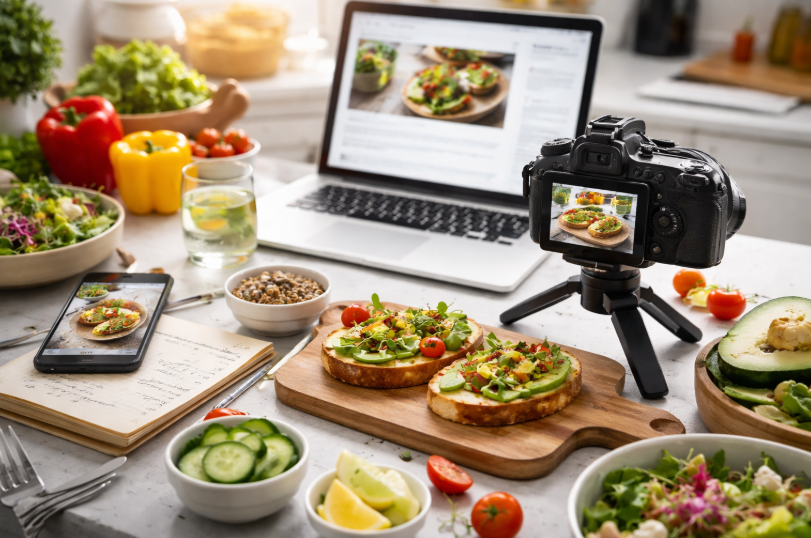
A food blog becomes successful when it feels useful in everyday life, not just visually appealing. Readers don’t visit just to admire dishes; they come looking for ideas they can actually use. Whether it’s a quick breakfast, a healthy snack, or a simple dinner solution, people expect clarity and practicality. A blog that consistently delivers this kind of content stands out without needing complicated tactics.
Attracting readers is only the first step. The real challenge is keeping them engaged and encouraging them to return. This happens when your content is easy to follow, solves real problems, and feels consistent. A strong food blog creates a sense of familiarity, where readers know they can find reliable ideas every time they visit.
Focus on a Clear Content Direction
A blog that tries to cover everything often ends up lacking identity. When readers cannot clearly understand what your blog offers, they are less likely to stay or explore further. A focused direction helps you build a strong and recognizable presence.
Choose a specific area within food content that aligns with your strengths. This could be quick snacks, healthy recipes, budget meals, or simple cooking for beginners. When your content consistently follows a theme, it becomes easier for readers to connect with it.
Over time, this clarity builds recognition. Readers start associating your blog with a particular type of content. This makes it easier for them to return whenever they need similar ideas, strengthening both traffic and engagement.
Solve Everyday Cooking Problems
Most readers are not searching for complex or time-consuming recipes. They are looking for solutions that fit into their daily routine. Content that solves real problems performs better because it directly addresses what people need.
Focus on situations that your audience faces regularly. This could include preparing meals with limited ingredients, cooking in small kitchens, or managing time during busy schedules. Keep your content practical and easy to follow.
When your blog consistently provides helpful solutions, it builds trust. Readers begin to rely on your content because it fits their lifestyle. This reliability plays a major role in turning one-time visitors into returning readers.
Use Text to Video Maker to Make Recipes More Engaging
Food content becomes easier to understand when people can see it in action. While written instructions are useful, videos simplify the process by showing each step clearly. This makes your content more engaging and easier to follow.
A text to video maker helps convert written recipes into structured videos without complex editing. With invideo, you can turn a simple recipe description into a complete video that includes visuals, voiceovers, and smooth transitions. This allows you to create consistent video content without needing advanced skills.
AI-generated visuals can represent ingredients, cooking steps, and final dishes even when you do not have detailed footage. This saves time and ensures that your content remains visually appealing. Voiceovers in multiple languages help you reach a wider audience, while background music adds depth to the viewing experience.
Subtitles and captions make your videos easier to follow, especially for viewers who prefer watching without sound. High-resolution output, including 4K quality, enhances the overall presentation and makes your content stand out across platforms.
By turning recipes into videos, you expand your content into formats that appeal to different types of users. Some prefer reading, while others learn better through visuals. This approach helps you attract a broader audience and keep them engaged.
Structure Content for Easy Reading
Even the best content can lose its value if it is difficult to read. A clear structure helps readers quickly understand and follow your posts. When content is easy to navigate, people are more likely to stay and explore further.
Use headings to divide your content into sections. Keep paragraphs short so each idea is easy to digest. Arrange your steps in a logical order to guide the reader smoothly from start to finish.
When readers can scan your content easily, they are more likely to stay longer. This improves engagement and increases the chances of them returning to your blog for more information.
Show Real-Life Cooking Instead of Perfect Presentation
Perfectly styled food images can look appealing, but they often feel unrealistic. Readers connect more with content that reflects how cooking actually happens in everyday life.
Show your recipes in real kitchen settings. Include variations, substitutions, and practical tips that make the process easier. This helps readers understand that they do not need perfect conditions to achieve good results.
When your content feels relatable, it builds confidence. Readers are more likely to try your recipes because they feel achievable. This creates trust and makes your blog more dependable.
Encourage Reader Interaction
A blog becomes more engaging when readers feel involved. Interaction creates a connection between your content and your audience, making them more likely to return.
Ask simple questions within your posts, such as how readers might adjust a recipe or what ingredients they would use. Encourage them to share their experiences or results.
This involvement creates a sense of community. When readers feel that their input matters, they are more likely to stay connected with your blog and engage with future content.
Keep Content Updated and Relevant
Food trends and preferences change over time. Keeping your content updated ensures that it remains useful and accurate for your readers.
Revisit older posts and improve them with better instructions, updated tips, or clearer visuals. This keeps your blog fresh and aligned with current needs.
Updated content performs better in search results and continues to attract readers over time. It also shows that your blog is active and reliable, which strengthens trust.
Conclusion
Building a food blog that attracts and retains readers requires more than just sharing recipes. It involves creating content that fits into everyday life, solves real problems, and presents information in a simple and clear way. When readers find your content useful, they naturally return for more.
By focusing on a clear direction, using visual formats, and maintaining practical content, your blog can grow steadily. Consistency and relevance play a key role in building trust. When your blog becomes a reliable source of ideas, it turns occasional visitors into a loyal audience.