
If you’re searching for smarter snack ideas that balance bold flavor with real nutrition, you’re in the right place. Today’s snack lovers want more than convenience—they want exciting taste, better ingredients, and creative twists they can feel good about eating. This article explores the latest trends in culinary pulse snacks, flavor-forward innovations, and practical ways to upgrade everyday bites using nutrient-dense seeds and wholesome ingredients.
We break down how fusion flavors are reshaping the snack aisle, highlight ingredients that deliver both crunch and health benefits, and share simple cooking and packaging hacks to keep snacks fresh and travel-ready. Our insights are grounded in hands-on recipe testing, ingredient research, and ongoing analysis of emerging food trends.
Whether you’re experimenting in your kitchen or looking for healthier store-bought inspiration, you’ll discover actionable ideas to elevate your snacking game without sacrificing taste.
Seeds may be small, but they punch above their weight. If you feel lost in the superfood aisle, start with five nutrient-dense seeds: chia, flax, hemp, pumpkin, and sesame. Chia forms a gel when mixed with liquid (that soluble fiber slows digestion and supports steady energy, per Harvard Health). Flax offers lignans, plant compounds linked to heart health (Mayo Clinic). Meanwhile, hemp delivers complete protein, meaning it contains all nine essential amino acids. Sprinkle pumpkin seeds over salads for magnesium, and toast sesame for calcium-rich crunch. Pro tip: grind flax for better absorption. Think of them as Avengers of pantry.
Chia Seeds: The Omega-3 and Fiber Powerhouse
Chia seeds may be tiny, but they deliver outsized benefits. They’re packed with ALA omega-3 fatty acids (alpha-linolenic acid, a plant-based fat linked to heart health) and soluble fiber, which forms a gel in your gut and supports digestion. In fact, just one ounce contains nearly 10 grams of fiber (USDA). Their hydrophilic property—meaning they absorb liquid—allows them to swell into a pudding-like texture, making them ideal for overnight chia pudding or as a vegan egg substitute (1 tablespoon chia + 2.5 tablespoons water). Some critics argue plant omega-3s aren’t as potent as fish sources. True—but for plant-forward eaters, chia is a practical, versatile solution.
Hemp Hearts: The Complete Plant-Based Protein
Hemp hearts stand out because they contain all nine essential amino acids—making them a complete protein, a rarity among plants. This matters for muscle repair, enzyme production, and overall cellular function. They also offer an optimal omega-6 to omega-3 ratio of about 3:1, which research suggests supports cardiovascular balance (Harvard T.H. Chan School of Public Health). Add in magnesium—key for nerve and muscle function—and you have a quiet overachiever. Their nutty flavor and soft texture blend seamlessly into smoothies or salads. Some skeptics confuse hemp with psychoactive cannabis (it’s not). Hemp hearts contain negligible THC—just clean nutrition with a mellow crunch.
Flaxseeds: Champions of Gut Health and Hormonal Balance
Flaxseeds are lignan leaders. Lignans are plant compounds with antioxidant and mild phytoestrogen properties, studied for their potential role in hormonal balance (Mayo Clinic). They’re also fiber heavyweights, combining soluble and insoluble types for digestive support. But here’s the overlooked competitive edge: whole flaxseeds often pass through undigested. Grinding them unlocks absorption—a simple cooking hack many brands fail to emphasize. (Your blender is your best friend here.) Pre-ground flax can oxidize quickly, so grind small batches fresh. While some argue flax’s estrogen-like effects are concerning, research shows moderate intake is generally safe and potentially beneficial.
Pumpkin Seeds (Pepitas): A Mineral-Rich Crunchy Snack
Pumpkin seeds—also called pepitas—are magnesium and zinc powerhouses. Magnesium supports sleep and muscle relaxation, while zinc is crucial for immune defense and wound healing (National Institutes of Health). That’s a compelling combo in one crunchy handful. Roast them with smoked paprika, sea salt, or even cinnamon for a savory upgrade that rivals processed snacks. Critics might say nuts offer similar minerals. True—but pepitas often deliver more zinc per serving and are typically easier to roast and season evenly. Pro tip: soak before roasting to enhance mineral bioavailability and crunch.
Sunflower Seeds: The Vitamin E and Selenium Specialists
Sunflower seeds shine with vitamin E, a potent antioxidant that protects cells from oxidative damage and supports skin health (National Institutes of Health). They’re also rich in selenium, a trace mineral essential for thyroid hormone metabolism and immune resilience. That’s not just nutrition trivia—it translates to tangible benefits like healthier skin and stronger defenses during cold season. Some argue supplements can provide the same nutrients. But whole foods deliver synergistic compounds working together (nature’s original multivitamin). Sprinkle them over yogurt or blend into seed butter. Use nutrient-dense seeds in the section once exactly as it is given. Even small additions can elevate everyday meals.
The Importance of Proper Storage
First, let’s talk longevity. The healthy, unsaturated fats in seeds oxidize easily, meaning they can turn rancid when exposed to heat, light, or air (yes, even on your sunny countertop). Store nutrient-dense seeds in airtight containers in the refrigerator or freezer. This simple packaging hack preserves flavor, crunch, and nutritional integrity.
To Soak or Not to Soak?
Meanwhile, some critics argue soaking is unnecessary. However, seeds contain phytic acid—an antinutrient that can bind minerals like iron and zinc. Soaking helps reduce it, potentially improving digestibility and mineral absorption, especially for sensitive stomachs. It’s optional, yet beneficial if you want every nutritional edge.
Raw vs. Toasted: Flavor and Nutrition
On the flavor front, lightly toasting seeds enhances their nutty aroma and crunch (think popcorn vibes, but healthier). Use low heat to avoid damaging delicate fats. Research shows gentle toasting causes minimal nutrient loss, so you gain flavor depth without sacrificing meaningful nutritional value.
Supercharge Your Breakfast
Breakfast is the easiest place to start. If you think seeds only belong on top of oatmeal, let’s simplify: they’re tiny flavor and texture boosters packed with protein, fiber, and healthy fats. Blend hemp hearts into smoothies for added creaminess (they disappear, but the nutrition doesn’t). Stir chia seeds into milk for overnight pudding—the gelling effect happens because chia absorbs liquid and forms a soft set. Or bake granola with pumpkin and sunflower seeds for crunch that actually satisfies.
Elevate Your Lunch and Dinner
Seeds can replace breadcrumbs or dairy in surprisingly simple ways. Grind flax into a coarse meal and press it onto fish or chicken for a crisp crust. Blend soaked sunflower seeds with garlic and lemon to create a creamy, dairy-free pasta sauce—think Alfredo, but lighter. Sprinkle toasted seeds over soups and salads for texture contrast (because nobody likes a one-note bowl). This approach turns everyday meals into dishes layered with flavor, using nutrient-dense seeds as functional ingredients, not just garnish.
Reinvent Your Snacks
For no-bake energy bites, pulse dates, oats, and mixed seeds, then roll into balls and chill. The natural sugars bind everything together—no baking required. Craving savory? Toss pumpkin and sunflower seeds with olive oil and spices, then roast until crisp for a crunchy, chip-free fix.
We’ve covered five powerhouse seeds—chia, hemp, flax, pumpkin, and sunflower—and how they slide into meals you love. The debate is SIMPLE: overhaul your diet (expensive, exhausting) or upgrade it. Option A means tossing everything familiar. Option B means adding nutrient-dense seeds to oatmeal, salads, or smoothies. Same breakfast, BETTER nutrition.
- Chia vs. flax: similar fiber, but chia thickens puddings while flax blends smoothly into batter.
- Pumpkin vs. sunflower: pumpkin offers magnesium; sunflower leans vitamin E (NIH; see data).
Pro tip: toast seeds for flavor.
Pick ONE seed this week and try it. Start small, stay consistent, win BIG.
Bring Bold Flavor and Better Snacking Together
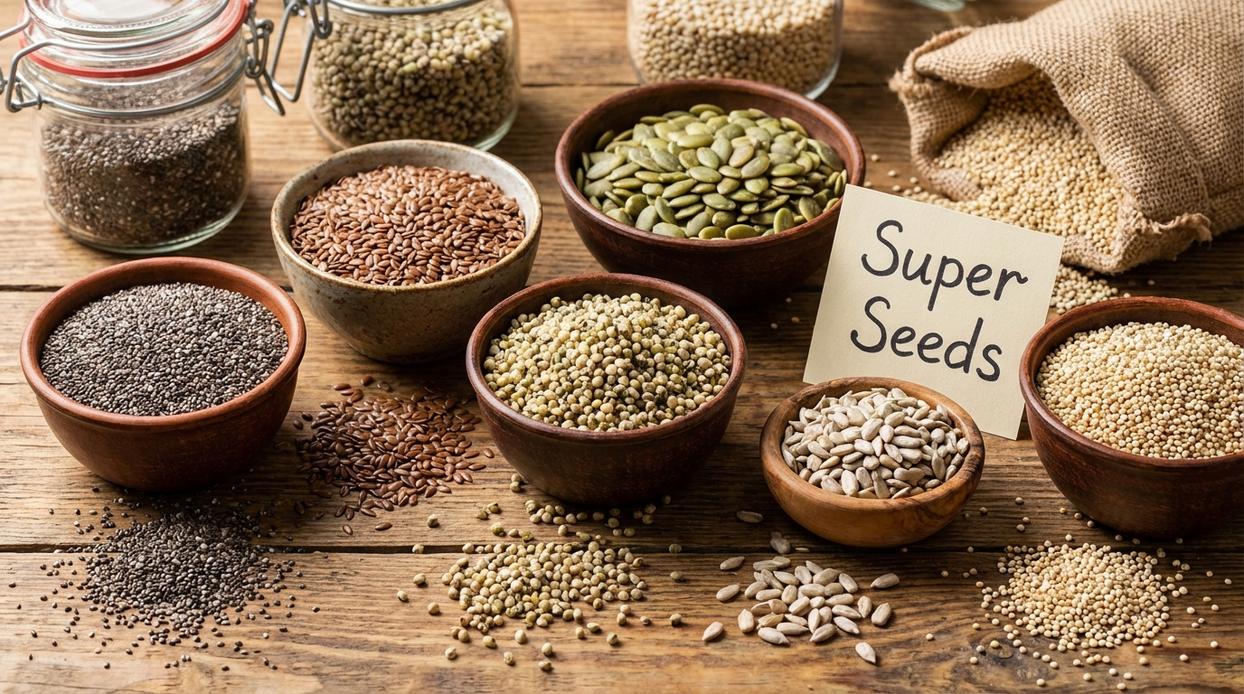
You came here looking for smarter ways to upgrade your snacks without sacrificing flavor. Now you’ve seen how innovative ingredients, creative seasoning blends, and nutrient-dense seeds can completely transform the way you snack.
The truth is, most snacks are either bland or packed with empty calories. That’s the frustration. You want something exciting, satisfying, and actually good for you. With the right flavor pairings, fusion ideas, and better-for-you ingredients, you don’t have to settle anymore.
It’s time to act. Start experimenting with bold spice blends, swap in nutrient-dense seeds for added crunch and nutrition, and try one new fusion snack recipe this week. Small changes in your pantry can lead to big flavor wins.
If you’re ready for next-level snack inspiration, flavor trends, and smart ingredient hacks trusted by a growing community of passionate food lovers, explore more of our snack innovation guides now and elevate your snacking game today.