If you’re searching for smarter, bolder ways to upgrade your snacking game, you’re in the right place. This article explores the latest culinary pulse shaping modern snacks—from breakthrough flavor pairings and healthier ingredient swaps to creative Jalbite fusion snacks that balance taste and nutrition. We’ll also dive into practical cooking and packaging hacks that keep snacks fresh, portable, and irresistibly crunchy.
Curious about how global inspiration meets everyday convenience? We examine rising trends like plant-powered proteins, low-guilt indulgences, and the growing interest in rare fruits in cooking that add unexpected depth to familiar favorites. Every insight is grounded in culinary research, food science principles, and hands-on testing to ensure flavor innovations aren’t just exciting—they’re practical and repeatable.
Whether you want to experiment in your kitchen or simply discover smarter snack choices, this guide delivers clear, trend-forward insights you can actually use.
Beyond the Basics: A Culinary Guide to Unforgettable Fruits
Stuck slicing the same apples and bananas? Let’s pivot. Exploring rare fruits in cooking isn’t about being trendy; it’s about unlocking flavors most guides ignore.
Five Standout Picks Worth Your Knife
Unlike typical roundups, we focus on application, not trivia. For example:
- Cherimoya – Custard-like; blend into cheesecake batter.
- Salak (snake fruit) – Crisp, tangy; dice into salsa for grilled fish.
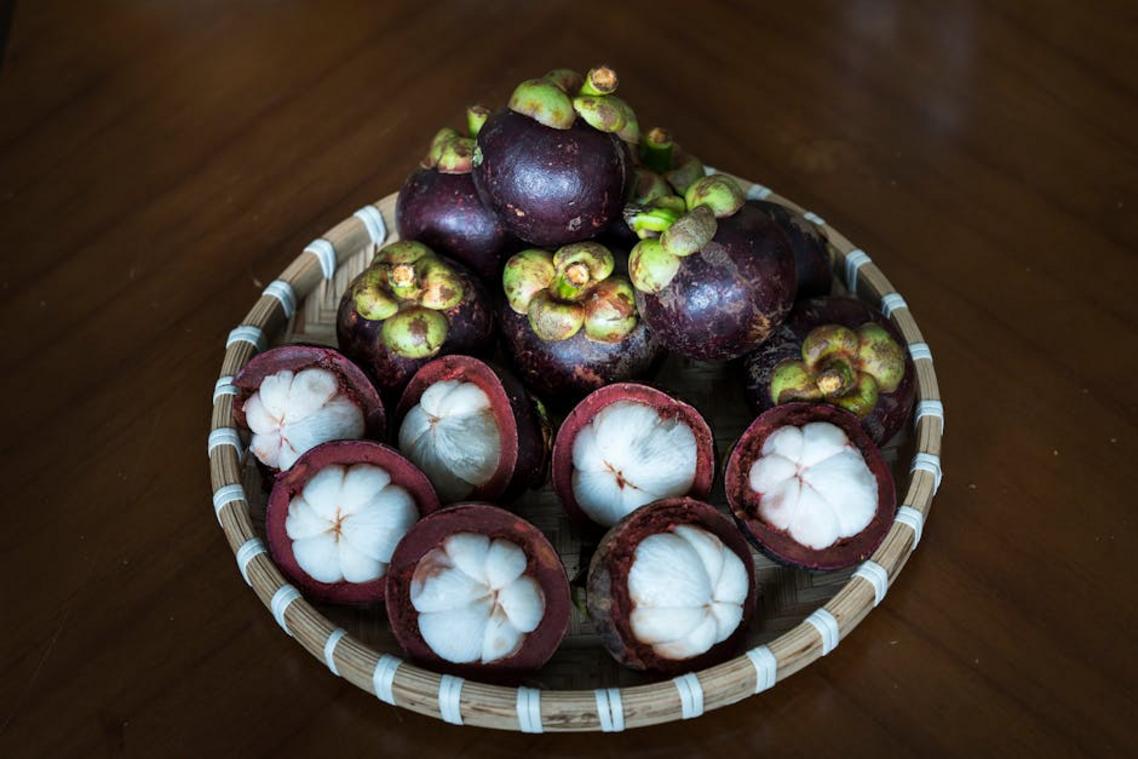
- Mangosteen – Floral sweetness; fold into whipped cream.
- Buddha’s hand – Fragrant zest; infuse syrups.
- Sapote – Caramel notes; swap for pumpkin in pies.
While some argue specialty fruits are impractical, many freeze beautifully (pro tip: portion first). Ultimately, innovation starts with one bold bite.
Jabuticaba: The Surprising Bark-Grown Berry
Jabuticaba is a Brazilian grape-like fruit that grows directly on the trunk and branches of its tree—a phenomenon called cauliflory (when fruit sprouts from bark instead of stems). The effect is almost surreal, like nature binge-watched a fantasy series and took notes.
Its flavor is sweet and tangy with a thick, tannic skin, often compared to muscadine grapes or lychee. Most guides stop there. What they miss? The skin’s natural pectin and antioxidants (noted in studies on Brazilian native fruits, Food Research International) make it uniquely suited for structured reductions and glossy glazes.
In the kitchen, it shines in jams, jellies, and small-batch wines. But its competitive edge is savory contrast: reduce the juice into a lacquer for roasted pork or duck, or try a spicy-sweet reduction over nuts. Pro tip: simmer skins separately for deeper color.
If you want to use rare fruits in cooking, jabuticaba delivers both flavor and visual drama—a trunk-to-table conversation starter.
Sapodilla: Nature’s Malty, Brown Sugar Custard
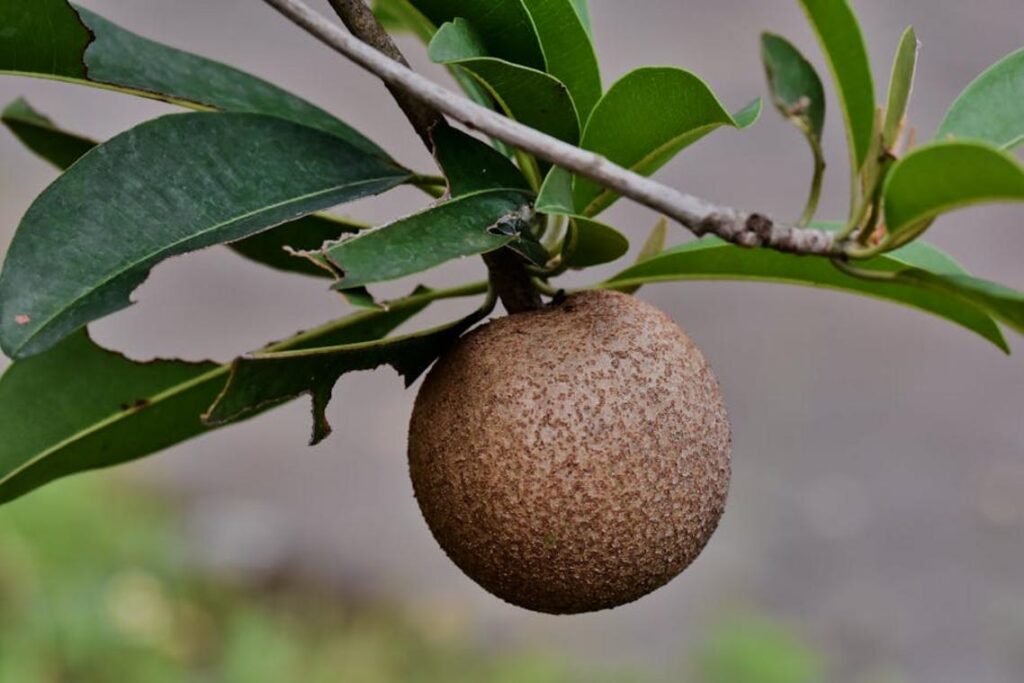
Sapodilla is a humble-looking fruit with rough brown skin and soft, slightly grainy yellowish-brown flesh inside. Don’t let the exterior fool you (it’s the Clark Kent of tropical produce). Slice it open when fully ripe, and you’ll discover a custardy texture and a flavor that tastes like brown sugar stirred into pear with a drizzle of caramel.
Flavor & Texture
Its malty sweetness makes it ideal for:
- Smoothies that need natural depth
- Milkshakes with no added sugar
- Homemade ice cream with a caramel twist
Because it’s naturally high in sugars like fructose and sucrose (USDA FoodData Central), it can replace refined sweeteners in baked goods.
Snack Hack: Blend sapodilla pulp with fresh lime juice, spread thinly, and dehydrate for chewy fruit leather.
Pro tip: Only use fruit that yields slightly to pressure—underripe sapodilla tastes chalky.
If you want to Use rare fruits in cooking, this is an easy, delicious place to start.
Salak (Snake Fruit): A Crunchy and Tangy Experience
Salak, often called snake fruit, is native to Indonesia and Thailand. Its reddish-brown, scaly skin resembles snakeskin—hence the name. Once peeled, however, the fruit reveals creamy lobes with a firm bite. According to Indonesia’s Ministry of Agriculture, salak production exceeds 1 million tons annually, underscoring its regional popularity.
In terms of flavor, salak delivers a crisp texture similar to apples, yet blends notes of pineapple, banana, and bright citrus. Because of this balance, chefs experimenting with rare fruits in cooking often use salak to add both sweetness and acidity. Some skeptics argue its tartness can be overpowering. However, ripeness matters: fully mature salak develops a honeyed depth that tempers the zing.
Typically enjoyed fresh, it’s also candied, pickled, or folded into salsas for crunch. For more global discoveries, explore international snack aisle finds you shouldnt miss: https://jalbitesnacks.com.co/international-snack-aisle-finds-you-shouldnt-miss/
Snack Hack: Thinly slice, sprinkle sea salt and chili powder, then air-fry for crisp, tangy chips.
Cupuaçu is a fragrant, oblong fruit from the Amazon rainforest, and it’s a close cousin of cacao. Crack open its thick brown shell and you’ll find a creamy white pulp that tastes like chocolate met pineapple, with hints of banana and passionfruit. In Brazil, it’s blended into juices, churned into ice cream, and folded into mousses. It can even be transformed into “cupulate,” a chocolate-like treat that rivals the real thing.
If you’re curious, start simple. Mix frozen pulp with oats, dates, and nuts for no-bake energy bites (your afternoon slump won’t stand a chance). Alternatively, swirl it into yogurt or smoothie bowls for a bright upgrade. Some skeptics argue it’s just another exotic fad. However, when you Use rare fruits in cooking thoughtfully, flavors like cupuaçu genuinely expand your kitchen repertoire. Pro tip: source unsweetened pulp to control sweetness and let its natural tang shine in your desserts today.
How to Find, Choose, and Store Your Exotic Fruits
Tracking down exotic fruits doesn’t have to feel like a scavenger hunt. Start with international markets—especially Asian and Latin American grocers—where turnover is high and produce is fresher. Specialty online fruit sellers are another reliable option, particularly for hard-to-find varieties (yes, even the ones that look like they’re from a sci‑fi movie).
When choosing fruit, focus on touch, scent, and appearance:
- Jabuticaba: Deep purple, smooth, and unblemished skin signals ripeness.
- Sapodilla: Gently squeeze—ripe ones feel soft, like a ready avocado.
- Salak: Firm with no soft spots; the scaly skin should look intact.
- Cupuaçu: Heavy for its size with a strong, sweet fragrance.
Some shoppers argue exotic fruits are too tricky to judge. Fair point. But ripeness cues aren’t so different from everyday produce—color, weight, and smell still matter (think mango logic).
Storage makes all the difference. Refrigerate jabuticaba and eat within 2–3 days since it ferments quickly. Ripen firm sapodillas in a paper bag at room temperature. Salak keeps well in the fridge for over a week. Freeze cupuaçu pulp for long-term use.
Pro tip: Label frozen pulp with the date.
Use rare fruits in cooking in the section once exactly as it is given to experiment confidently.
Breaking out of a flavor rut doesn’t require a culinary degree; it requires contrast. Think apples versus cupuaçu: one is crisp and familiar, the other creamy, cacao-kissed, and tangy. Or bananas versus salak—predictable sweetness compared to a crunch with a pineapple twist. In other words, small swaps create shifts.
When you use rare fruits in cooking, you’re not abandoning comfort foods; you’re upgrading them. Smoothie A tastes fine. Smoothie B, blended with cupuaçu, tastes memorable (the kind friends ask about).
So this week, head to an international market. Choose one new fruit. Experiment, taste, and let comparison sharpen your palate.
Elevate Every Bite with Bold, Better Snacking
You came here looking for fresh inspiration—new flavors, smarter ingredients, and creative ways to make snacking more exciting and nourishing. Now you’ve seen how culinary pulse, innovative seasoning blends, and even rare fruits in cooking can completely transform everyday bites into unforgettable experiences.
Boring, repetitive snacks are the real problem. They drain the joy out of mindful eating and make it harder to stick to better-for-you choices. When flavor and creativity are missing, so is satisfaction.
The good news? You don’t have to settle. By experimenting with fusion ideas, exploring wholesome ingredients, and trying simple cooking and packaging hacks, you can turn ordinary snacks into crave-worthy favorites that fit your lifestyle.
Ready to upgrade your snack game? Discover bold flavor combinations, explore nutrient-packed ingredients, and start creating snacks that actually excite you. Join thousands of flavor-forward food lovers who are redefining better snacking—start experimenting today and taste the difference for yourself.