If you’re searching for fresh ideas that push snacks beyond the ordinary, you’re in the right place. Today’s snack lovers want more than crunch—they want bold taste, better ingredients, and creative twists that feel both exciting and smart. This article explores the latest innovations in culinary pulse, highlights healthier ingredient swaps, and reveals clever ways to upgrade everyday bites with inventive fusion flavor pairings that truly stand out.
We’ve analyzed emerging flavor trends, reviewed nutritional research on better-for-you ingredients, and drawn insights from chefs and food scientists who track how tastes evolve across cultures. The result is a practical, flavor-forward guide designed to help you discover new snack inspirations, experiment confidently in your kitchen, and rethink how snacks can be made, seasoned, and even packaged.
Whether you’re looking for healthier options or daring new combinations, you’ll find ideas here that deliver both creativity and credibility.
Stuck cooking the same flavors every week? Recipes can feel safe, but safety often means repetition. Think classic tomato-basil pasta versus miso-maple glazed noodles. Both work, yet one follows tradition while the other explores contrast.
Here’s the shift: flavor pairing isn’t random; it’s chemistry. Sweet balances heat, acid cuts fat, and umami deepens simplicity.
Compare:
- Comfort cooking = predictable herbs, familiar sauces.
- Fusion thinking = curiosity, layered textures, global pantry swaps.
Skeptics say fusion muddies authenticity. Fair. But cuisines have always borrowed—tomatoes transformed Italy, chilies reshaped Asia.
When you understand the why, bold combinations stop feeling risky and start tasting inevitable. Deliciously.
The Five Pillars: Your Foundation for Fusion
Before you experiment boldly, start with the basics. Every memorable dish rests on five core tastes: sweet (sugars, honey), sour (citrus, vinegar), salty (salt, cured foods), bitter (dark greens, cocoa), and umami—the savory depth found in mushrooms, soy sauce, or aged cheese. Think of them as primary colors; everything delicious is a blend.
However, great fusion isn’t about throwing flavors together and hoping for magic. It’s about balance. Too much sweetness makes a snack cloying. Excess salt overwhelms nuance. When these pillars support each other, the result feels dynamic rather than chaotic (like a well-rehearsed band, not a garage jam session).
Most importantly, lean into umami as your bridge. Because umami enhances perceived savoriness, it connects contrasting ingredients seamlessly. A sprinkle of parmesan can unify tomato and miso; roasted mushrooms can mellow sharp spices. Pro tip: if a fusion experiment tastes disjointed, add an umami-rich element before adjusting salt.
At the same time, don’t ignore texture. Crunchy nuts over creamy dips. Chewy grains with crisp vegetables. Texture is the silent partner that keeps each bite interesting.
So when crafting fusion flavor pairings, aim for balance first, contrast second, and always give umami a seat at the table.
Unexpected Harmony: Pairing Sweet and Savory Across Cultures
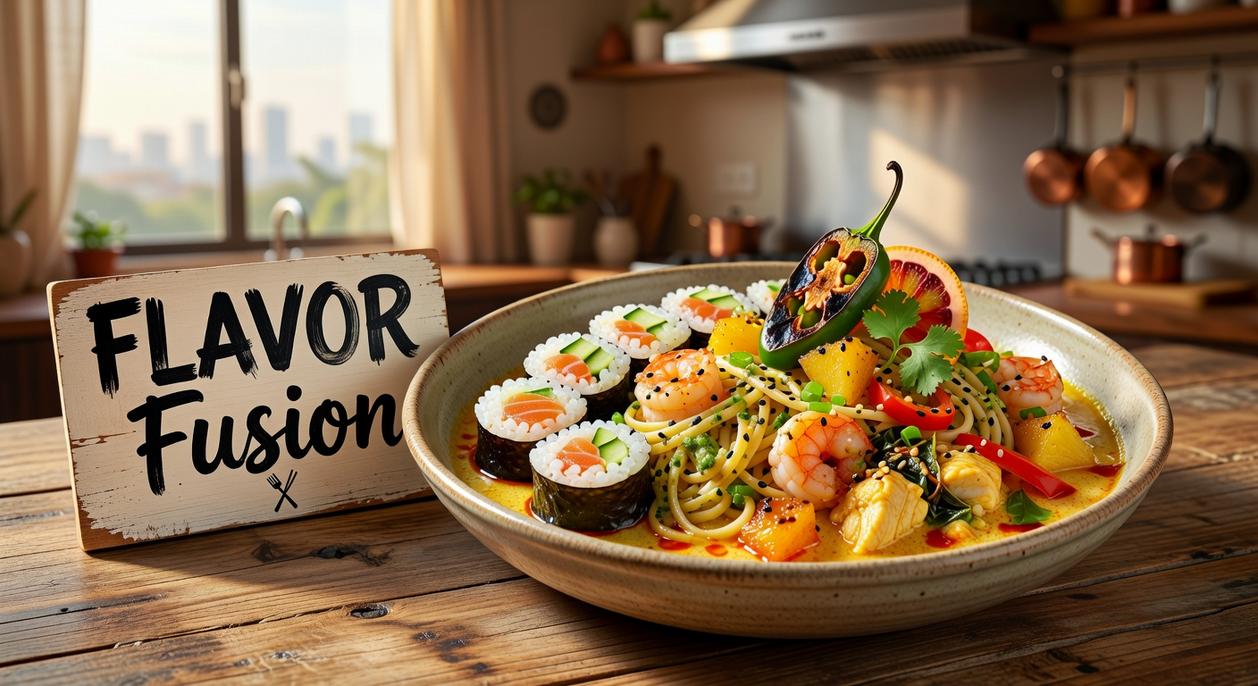
At first glance, sweet and savory together can sound wrong. Some argue flavors should “stay in their lane,” insisting dessert belongs at the end of a meal and nowhere near chili or miso. Fair point. Yet science—and centuries of cooking—suggest otherwise. Sweetness softens aggressive savory notes and amplifies complexity, activating dopamine-driven pleasure responses in the brain (Small & Prescott, 2005). In other words, it feels indulgent because your brain says it is.
Take mango and chili, beloved in Mexican and Thai cuisines. The fruit’s natural sugars cool capsaicin heat while enhancing its brightness, creating a craveable push-pull effect. That’s why it works beautifully in salsas, sticky glazes, or even dry rubs for snacks (the “just one more bite” phenomenon is real).
Meanwhile, miso and caramel—popular in Japanese and French-inspired kitchens—prove salt and funk can elevate sweetness. Umami-rich miso cuts through caramel’s richness, adding depth to dessert sauces, nut coatings, or ice cream swirls.
Of course, skeptics may prefer simplicity. However, fusion flavor pairings show contrast builds balance, not chaos.
Pro tip: Use fruit-based sweetness like dates, figs, or pineapple instead of refined sugar for nuance and better mineral content (USDA).
Ready to experiment? Follow this step by step guide to creating your own fusion bites.
The Power of Pucker: Mastering Sour and Spice
At first glance, sour and spicy can seem like culinary rivals. Some argue that heat should stand alone—bold, unapologetic, and fiery. After all, if you love spice, why dilute it? But here’s the twist: acidity, or sourness, actually amplifies heat rather than softening it. Acidity acts as a palate cleanser, meaning it refreshes your taste buds by cutting through fat and richness. As a result, spicy foods feel brighter, sharper, and less overwhelming.
Take Tamarind and Cayenne. Tamarind’s sweet-sour depth builds a layered base that enhances cayenne’s sharp, lingering burn. The pairing shines in marinades for grilled meats, tangy dipping sauces, or even seasoning for chips. Similarly, Yuzu and Jalapeño create a fresh, aromatic spark—yuzu’s floral citrus lifts the green heat of jalapeño in vinaigrettes, hot sauces, or popcorn flavoring.
Of course, some purists insist acid masks true chili flavor. Yet in practice, layering sour elements reveals complexity instead of hiding it (think of it as turning up the contrast on a photo).
Pro tip: Layer your acids. Combine a sharp vinegar with a milder citrus juice to create a more rounded sour profile. Balance isn’t compromise—it’s power.
From the Ground Up: Fusing Earthy and Aromatic Flavors
Earthy ingredients—think mushrooms, lentils, and roasted root vegetables—form a deep, grounding base. Earthy here refers to flavors that taste rich, savory, and reminiscent of soil after rain (in a good way). Aromatics, by contrast, are ingredients like herbs, spices, and citrus zest that release fragrant compounds into the air and your palate. When combined, they create contrast: bass notes and high notes in one bite.
Some argue earthy foods should stand alone. Why distract from the purity of a truffle or the honesty of a slow-roasted carrot? It’s a fair point. But without brightness, earthy flavors can feel heavy. Balance is EVERYTHING.
Take Truffle and Za’atar. The musky depth of truffle meets thyme, sesame, and tangy sumac for lift and intrigue—ideal for roasted vegetables or savory pastries. Or consider Cumin and Orange Zest. Smoky warmth collides with floral citrus, transforming lamb rubs or lentil stews from comforting to captivating.
Skeptics may say citrus overpowers spices. Yet research shows aroma compounds enhance flavor perception, not mask it (Spence, 2015, Flavour journal).
Pro tip: Toast whole spices before grinding to intensify their aromatic oils before pairing them with earthy ingredients. (Your kitchen will smell incredible.)
Your culinary adventure doesn’t require a passport—just curiosity. By balancing the five pillars of taste—sweet, sour, salty, bitter, and umami—you gain a repeatable framework for bold, balanced dishes. In other words, you’re no longer guessing; you’re creating with intention. Start small, then experiment with sweet/savory, sour/spice, or earthy/aromatic contrasts. That’s how fusion flavor pairings become discoveries, not accidents.
So what’s in it for you? More confidence, fewer bland meals, and signature snacks friends rave about (yes, even the picky ones). This week, combine two ingredients from different cuisines and build one unforgettable bite. Trust your palate and break rules boldly.
Turn Everyday Snacking Into a Flavor Experience
You came here looking for fresh inspiration—new tastes, smarter ingredients, and creative ways to make snacks more exciting without sacrificing health or convenience. Now you’ve seen how bold ideas, better-for-you ingredients, and smart prep tricks can completely transform the way you snack.
The truth is, boring flavors and repetitive options make it hard to stay consistent with healthier choices. When snacks feel uninspired, it’s easy to fall back on the same old processed picks.
That’s where experimenting with fusion flavor pairings changes everything. Blending unexpected tastes, upgrading ingredients, and using simple cooking and packaging hacks keeps your snack game exciting and sustainable.
Here’s your next move: start testing one new flavor combination this week and swap one conventional snack for a smarter alternative. If you want proven ideas that take the guesswork out of creative, better-for-you snacking, explore our latest flavor innovations and practical guides. Join thousands of snack lovers who are already upgrading their pantry with bold, better choices—discover your next favorite bite today.