The craving for sweets is universal, but the health consequences of excess sugar are undeniable. That tension leaves many people stuck between satisfying their sweet tooth and staying committed to their wellness goals. The challenge? Not all substitutes are created equal. Some come with a lingering aftertaste, overly processed ingredients, or disappointing results in the kitchen.
This guide goes beyond the white crystals to explore smarter, better-performing options. We break down the most reliable natural sweetener alternatives that deliver on both flavor and function. From baking to everyday cooking, you’ll discover which choices work best in specific recipes—so you can enjoy sweetness without compromise. Every recommendation is grounded in culinary testing and ingredient research, ensuring your healthier creations taste every bit as indulgent as the originals.
What Truly Makes a Sugar Substitute “Healthy”?
Before we obsess over labels screaming LOW-CAL or ZERO SUGAR, let’s get honest about what “healthy” actually means. In my view, it’s not just about cutting calories—it’s about metabolic impact. If your sweetener sends your blood sugar on a rollercoaster, you’re basically swapping one problem for another (just with better marketing).
The Glycemic Index (GI)
The Glycemic Index (GI) measures how quickly a food raises blood glucose. Table sugar ranks high, triggering spikes and crashes that can increase hunger and fatigue (Harvard Health Publishing). Ideally, a substitute has a GI close to zero—steady energy, no drama.
| Sweetener Type | GI Impact | Blood Sugar Effect |
|—————|———–|——————-|
| Table Sugar | High | Rapid spike |
| Erythritol | 0 | Minimal change |
| Xylitol | Low | Mild rise |
Natural vs. Artificial
I strongly prefer plant-derived options. Artificial sweeteners like aspartame remain controversial despite FDA approval. Why gamble if natural sweetener alternatives exist?
A Note on Sugar Alcohols
Erythritol and xylitol are carbohydrates found in fruits and vegetables. Because the body only partially digests them, they deliver fewer calories and a lower GI (Cleveland Clinic). PRO TIP: Start small—overdoing sugar alcohols can cause digestive discomfort.
The Baker’s Best Friends: Top Substitutes for Flawless Treats
Every baker has been there: halfway through a recipe when you realize you’re out of a key ingredient. Before you panic (or abandon your cookie dreams), know this—smart substitutions can SAVE THE DAY.
Let’s define a quick term. A substitute ingredient is an alternative that mimics the flavor, texture, or chemical role of the original. Baking is chemistry, yes—but it’s flexible chemistry.
Here are my top recommendations for flawless swaps:
-
Buttermilk → Milk + Lemon Juice or Vinegar
Add 1 tablespoon of acid to 1 cup of milk and let it sit 5–10 minutes. The acidity activates baking soda, helping cakes rise properly (King Arthur Baking explains acid-base reactions are essential for leavening). -
Eggs → Flax “Egg”
Mix 1 tablespoon ground flaxseed with 3 tablespoons water. Let it gel. This works beautifully in muffins and quick breads. Pro tip: It adds a subtle nutty flavor that pairs well with chocolate. -
Butter → Greek Yogurt
Replace half the butter with full-fat Greek yogurt for moisture and protein. Some argue butter is irreplaceable for flavor—and they’re right, partly. But in cakes, structure and moisture matter just as much. -
White Sugar → natural sweetener alternatives
Maple syrup or honey can add depth. Reduce other liquids slightly to balance moisture (liquid sweeteners change texture, per USDA baking guidelines). -
All-Purpose Flour → Oat Flour
Blend rolled oats into a fine powder. It creates tender cookies—think cozy, farmhouse vibes.
Some traditionalists insist substitutions “ruin” recipes. I disagree. Baking evolves. Even professional kitchens adapt based on availability and dietary needs (the culinary world isn’t frozen in time like a sitcom rerun).
When in doubt, test small batches. TAKE NOTES. Adjust gradually.
Your pantry isn’t a limitation—it’s a toolkit. Choose wisely, experiment boldly, and your treats will still disappear before they cool.
From Sauces to Smoothies: Sweeteners That Shine in the Kitchen
Sweeteners aren’t just for coffee—they’re culinary multitaskers. From tangy barbecue sauces to creamy breakfast smoothies, the right choice can balance flavor, texture, and even nutrition.
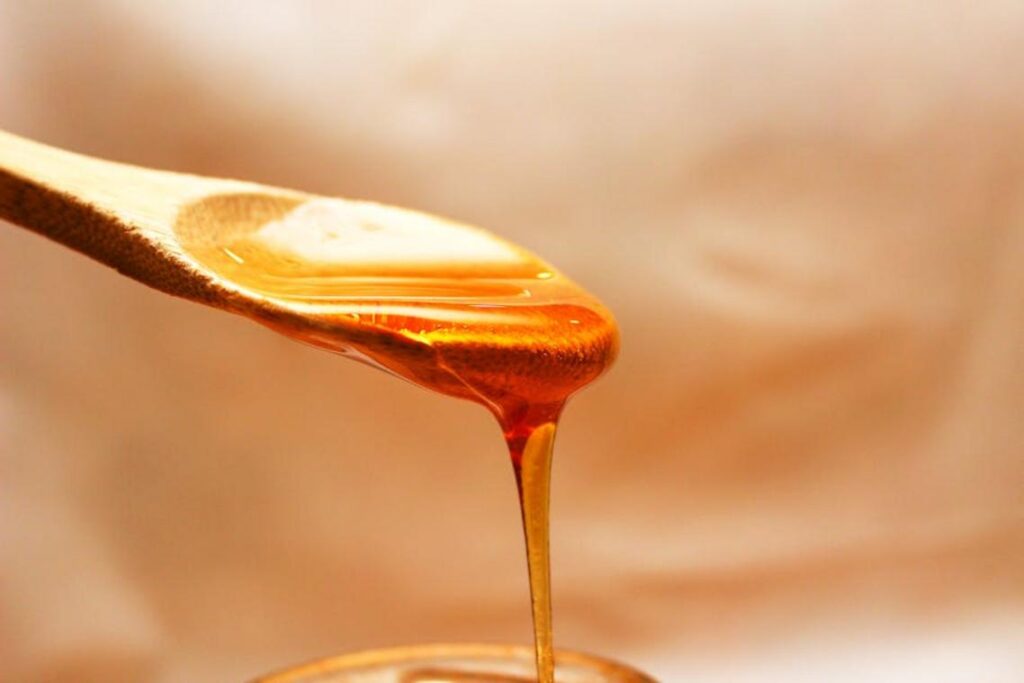
First, define your goal. Refined sugar is highly processed and neutral in taste, while honey (a natural syrup made by bees) adds floral notes. If you’re experimenting with natural sweetener alternatives, start small—some are sweeter than sugar, so a 1:2 swap can overwhelm a dish.
For sauces, whisk maple syrup into mustard or soy-based marinades. The gentle caramel notes deepen flavor (think of it as the bass line in your favorite song—subtle but essential). In smoothies, blend dates with banana and almond milk for fiber-rich sweetness. Pro tip: soak dates in warm water for 10 minutes first for a silkier texture.
Some argue sweeteners are unnecessary in savory cooking. However, a touch of sweetness enhances acidity and heat, a principle backed by culinary science (Institute of Food Technologists).
For even more kitchen inspiration, explore fermented ingredients boosting gut friendly foods.
The Ultimate Conversion Chart & Baking Hacks
Replacing sugar isn’t chemistry class—but it is close. Measurements matter. Here’s how I approach natural sweetener alternatives when baking at home (and yes, I’ve learned some of this the hard way).
- Monk Fruit/Erythritol Blends: Usually a 1:1 swap by volume. Still, check the label—brands vary.
- Pure Stevia (Powder/Liquid): 1 cup sugar ≈ 1 teaspoon stevia. It’s potent, so taste and adjust.
- Allulose: 1 cup sugar ≈ 1 1/3 cups allulose for similar sweetness.
- Yacon Syrup: 1 cup sugar ≈ 2/3 cup yacon syrup. Reduce other liquids by about 1/4 cup.
Personally, I think allulose gives the most “real sugar” vibe in cookies (color and chew matter). Some argue substitutes never bake the same—and they’re not wrong. Sugar caramelizes and retains moisture.
Pro Baking Hack: Add an extra tablespoon of yogurt, applesauce, or an extra egg yolk to prevent dry, pale results. It’s a small tweak with big payoff.
Reclaim Your Recipes, One Sweet Swap at a Time
You set out to enjoy your favorite foods without sabotaging your health—and now you have the tools to do exactly that. By embracing natural sweetener alternatives, you’re proving that flavor and wellness can coexist. The real pain point was never sweetness; it was relying on the wrong sources to achieve it.
Don’t let sugar keep stealing from your energy and long-term health. Start with one recipe today and swap in natural sweetener alternatives instead. Thousands of home cooks are already transforming their kitchens with smarter ingredients—now it’s your turn. Make the switch, taste the difference, and take control of your cravings for good.