
Street food is evolving faster than ever, blending cultures, flavors, and health-conscious ingredients into snacks that travel the world without leaving your kitchen. If you’re searching for fresh inspiration, smarter snacking ideas, or creative ways to upgrade everyday bites, this article delivers exactly that. We explore global street food trends shaping modern snacking, spotlight innovative flavor combinations, and break down practical cooking and packaging hacks you can actually use.
From pulse-powered crunch to bold fusion twists, you’ll discover how today’s most exciting snack concepts balance taste, nutrition, and convenience. We’ve analyzed emerging culinary patterns, ingredient innovations, and consumer preferences to ensure the insights shared here reflect what’s truly gaining traction—not just what’s trending on social media.
Whether you’re a curious home cook, a snack enthusiast, or someone looking to experiment with healthier ingredients, this guide will help you turn worldwide street flavors into memorable, crave-worthy creations.
The next chapter of the global kitchen isn’t just about viral recipes; rather, it’s about technique migration. For example, nixtamalization (an ancient process of soaking corn in alkaline water to boost nutrients, per the Journal of Food Science) is resurfacing in home kitchens far beyond Mexico. Meanwhile, West African fonio—a climate-resilient grain—is moving from local staple to pantry hero. Unlike typical roundups of global street food trends, we’re spotlighting the “why” behind them: sustainability, preservation, and flavor layering. Some argue fusion dilutes tradition; however, thoughtful adaptation expands it (food evolves—always has). Pro tip: toast ancient grains before simmering for deeper aroma.
The Art of Fermentation: Beyond Kimchi and Kombucha
Fermentation is an anaerobic process where beneficial microbes convert sugars into acids, gases, or alcohol, preserving food while transforming its flavor. Think of it as nature’s slow cooker—time and bacteria doing collaborative magic.
Most people compare fermentation to kimchi or kombucha. But that’s like comparing all cinema to superhero movies (fun, but limited). Let’s look wider.
Caucasus Classic vs. Standard Yogurt
Matsoni, a traditional fermented dairy from the Caucasus, sits somewhere between yogurt and kefir.
- Matsoni: Tangy, spoonable, subtly effervescent, rich in live cultures.
- Standard Yogurt: Creamy, mild, often pasteurized after culturing (which can reduce probiotic activity).
Unlike conventional yogurt, Matsoni’s diverse bacterial strains may support gut microbiome balance, which research links to digestion and immune health (NIH). Use it in marinades—the lactic acid tenderizes meat—or whisk it into garlic-herb sauces. Yogurt cools; Matsoni brightens.
West African Depth vs. Bouillon Cubes
Fermented locust beans—Dawadawa (Iru)—deliver intense umami (the savory “fifth taste”).
- Dawadawa: Earthy, funky, complex.
- Bouillon Cubes: Salty, uniform, often MSG-forward.
While critics argue fermented beans are “too pungent,” that’s the point. A pinch in stews adds depth that salt alone can’t replicate. It’s the difference between bass and background noise.
These traditions align with global street food trends, where bold, fermented flavors signal authenticity and craft.
Start Your Own Ferment
Skip rigid recipes. Focus on process:
- Dissolve 2% salt by weight into water (pro tip: use a kitchen scale).
- Submerge carrots, beets, or green beans fully.
- Keep oxygen out; let microbes work 5–10 days.
Fermentation isn’t just preservation. It’s flavor evolution—alive, adaptable, and endlessly experimental.
Nose-to-Tail, Root-to-Leaf: The Global Push for Zero-Waste Cooking

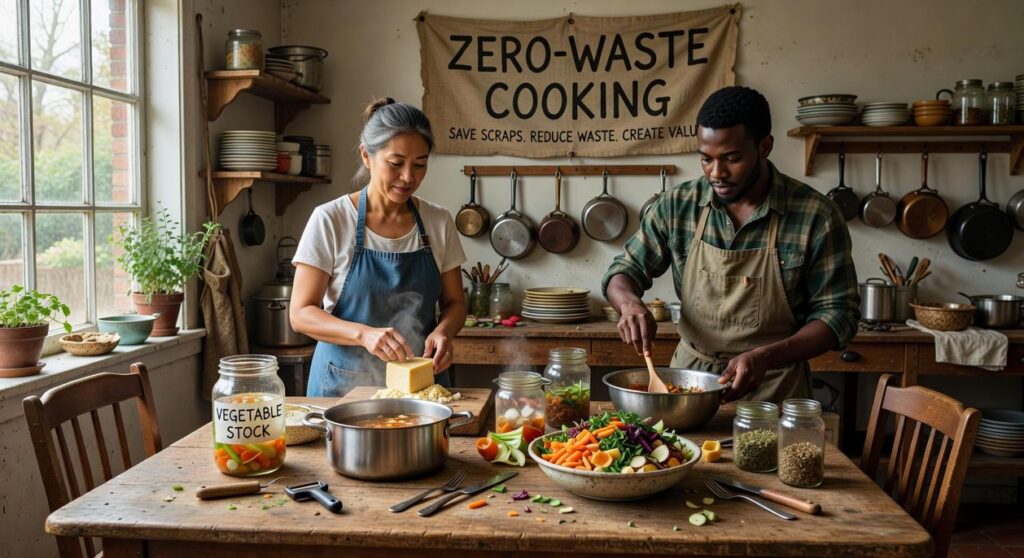
Zero-waste cooking is more than thrift. It’s a flavor-maximizing philosophy that treats every peel, bone, and stem as culinary potential. Instead of tossing scraps, chefs transform them into broths, crisps, powders, and ferments. The benefit? Deeper flavor, lower grocery bills, and a lighter environmental footprint (your trash can will notice the difference).
Some critics argue this approach is impractical for busy households. Who has time to save carrot tops? Fair point. But small shifts—like freezing scraps for stock—require almost no extra effort and deliver measurable payoff in taste and cost savings (USDA estimates 30–40% of the U.S. food supply goes to waste).
Scandinavian Precision Meets Sustainability
Modern Nordic kitchens elevated nose-to-tail cooking by using fish collars and bones for collagen-rich stocks and sauces. Even vegetable peels are smoked and ground into seasonings that mimic smoky “bacon” notes. These techniques prove scraps aren’t secondary—they’re flavor assets.
Southeast Asian Flavor Foundations
Across Southeast Asia, tougher broccoli stems and cilantro stalks are finely chopped to build curry pastes and soup bases. Herb stems contain concentrated aromatic oils, meaning more intensity with less waste. It’s practical wisdom now echoed in global street food trends.
• Feature: Herb stalk pestos and stem stir-fries add texture and nutrients.
• Benefit: More servings, richer flavor, zero extra cost.
Cooking Hack: Scrap Vegetable Broth
Collect onion skins, carrot peels, celery leaves, and mushroom stems in a freezer bag. Simmer with bay leaf and peppercorns for 45 minutes. Strain, cool, and freeze. You’ve turned waste into liquid gold.
Curious how cultural shifts shape these habits? Explore how cultural food movements influence everyday meals.
The New Pantry: Rediscovering Ancient Grains and Spices
Lately, I’ve found myself reaching past the usual quinoa and farro and digging deeper into the pantry. There’s something thrilling about cooking with ingredients that feel both ancient and entirely new. As global street food trends continue to shape home kitchens, lesser-known grains and spices are finally getting the spotlight they deserve.
Grain Spotlight – Fonio
First up: fonio. This tiny West African grain has been cultivated for over 5,000 years (National Research Council), yet it still feels like a discovery. It cooks in about five minutes—faster than most pasta—which makes it a weeknight hero. The texture is light and fluffy, similar to couscous, with a subtle nutty flavor that doesn’t overpower a dish. I like using it anywhere I’d normally use rice: grain bowls, pilafs, even as a base for roasted vegetables. Nutritionally, fonio is rich in amino acids like methionine and cysteine, which are often limited in other grains (FAO). Pro tip: toast it briefly in a dry pan before boiling to deepen its flavor.
Spice Spotlight – Grains of Paradise
Then there’s grains of paradise, a West African spice with notes of black pepper, cardamom, and ginger. Think of it as pepper’s more intriguing cousin. I prefer it freshly ground over grilled fish or roasted carrots—it adds warmth without harsh heat.
Ingredient Sourcing
You might assume these ingredients are hard to find. However, specialty online retailers, international markets, and well-stocked health food stores increasingly carry them. In my opinion, they’re worth the hunt (your pantry deserves some adventure).
Bringing the World to Your Plate
You now have a map to some of the most exciting culinary movements shaping modern kitchens. From fermentation’s tangy depth to zero-waste ingenuity, these practices push beyond passing global street food trends and into lasting transformation. However, inspiration alone doesn’t fix a cooking rut. What does? Action. Start small. For example, brine carrots with salt and garlic, and within days you’ll taste complexity that rivals specialty deli jars (for a fraction of the price). Meanwhile, cooking root-to-stem stretches ingredients further and unlocks flavors competitors rarely discuss. Ancient grains like farro add texture, fiber, and story to everyday meals. These advantages aren’t flashy; they’re practical, sustainable, and deeply flavorful. So choose one technique this week and test it in your own kitchen. Progress begins with a single, delicious experiment. Pro tip: toast your spices before cooking to amplify aroma and depth instantly with minimal effort.
Savor the Future of Snacking
You came here to explore how flavors, ingredients, and creative twists are reshaping the way we snack—and now you’ve seen how bold ideas inspired by global street food trends are transforming everyday bites into unforgettable experiences.
If you’ve been stuck choosing between exciting flavor and better-for-you ingredients, you don’t have to compromise anymore. The snack world is evolving, and staying ahead means embracing fusion concepts, smarter ingredients, and inventive preparation hacks that deliver both taste and balance.
Now it’s your move.
Start experimenting with new flavor pairings in your kitchen, upgrade your snack lineup with globally inspired twists, and pay closer attention to ingredient quality and packaging creativity. Don’t settle for bland or outdated options when vibrant, better-crafted snacks are within reach.
Ready to elevate your snacking game? Discover bold fusion ideas, explore innovative flavor combinations, and take the next step toward snacks that truly excite—because great taste should never be boring, and better choices should always be delicious.