If you’re searching for smarter ways to upgrade your snacking—whether through bold new flavors, better-for-you ingredients, or creative kitchen hacks—you’re in the right place. This article explores the latest shifts in culinary pulse trends, spotlighting innovative flavor pairings, nutritious swaps, and the rising demand for fermented snack ingredients that deliver both taste and functional benefits. From Jalbite fusion concepts to practical cooking and packaging tips, we break down what’s shaping modern snack culture and how you can apply it at home or in product development. Our insights are grounded in ongoing analysis of flavor innovation trends, ingredient research, and evolving consumer preferences in the healthy snack space. Whether you’re experimenting in your kitchen or refining a snack concept, you’ll find clear, actionable ideas designed to help you stay ahead of the curve and create snacks that stand out in both flavor and function.
The Core Components of Naturally Fermented Snacks
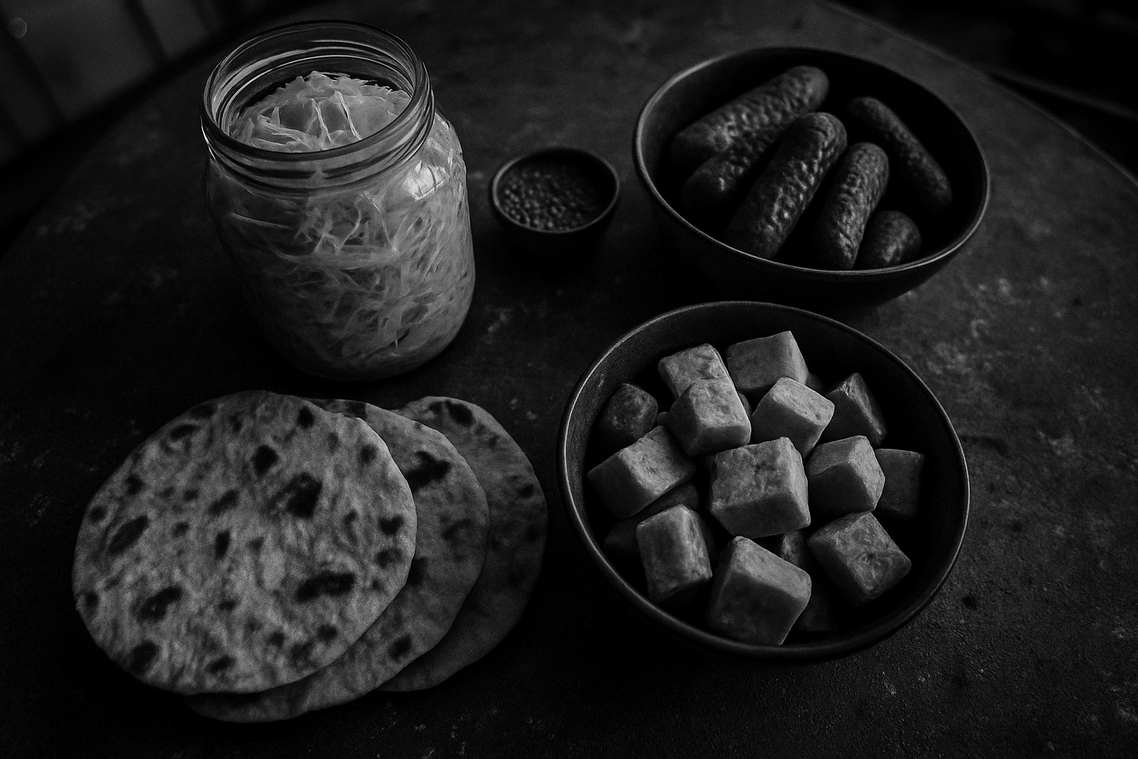
Fermentation is the quiet magic that turns humble cabbage or cucumbers into bold, probiotic-rich bites. At its core, fermentation relies on salt, water, and time. Salt draws out moisture, creating a brine (a salty liquid) where beneficial bacteria thrive. Meanwhile, those bacteria convert natural sugars into lactic acid, a preservative that gives kimchi and pickles their signature tang.
However, many people insist special starters are mandatory. I disagree. In my kitchen, fermented snack ingredients like vegetables and salt do the heavy lifting. So, once you understand each role, confidence follows naturally today.
The Foundation: The Two Non-Negotiable Ingredients
Every great ferment starts with a simple question: have you ever wondered why some pickles snap while others slump? Or why one batch of kimchi crackles with life and another turns limp? It all comes down to two non-negotiables.
The Primary Vegetable
First and foremost, the vegetable is the backbone. Fresh, high-quality produce isn’t just a nice-to-have—it’s structural. A cabbage’s tightly packed cellular structure is what keeps kimchi crunchy after weeks in brine. Likewise, firm cucumbers hold their shape because their cell walls resist breaking down too quickly.
Some argue that fermentation “fixes” mediocre produce. After all, isn’t salt and time doing the heavy lifting? Not quite. While fermentation transforms flavor, it can’t rebuild weak cell walls. Starting with tired vegetables is like building on sand (and expecting a skyscraper).
When choosing your base, look for:
- Firm texture with no soft spots
- Vibrant color and intact skins
- Recently harvested, in-season options
Spotlight on Salt
Next, let’s talk salt. Without it, there is no lacto-fermentation. Salt creates a selective environment where beneficial Lactobacillus bacteria thrive while spoilage microbes struggle. In other words, it tips the microbial scales in your favor.
However, not all salts are equal. Iodized table salt can interfere with flavor and cloud your brine. Instead, choose non-iodized kosher or sea salt for clean results (pro tip: weigh your salt for consistency).
So before experimenting with bold fermented snack ingredients, ask yourself: are your vegetable and salt choices setting you up for success?
Building the Flavor Profile: Aromatics and Spices
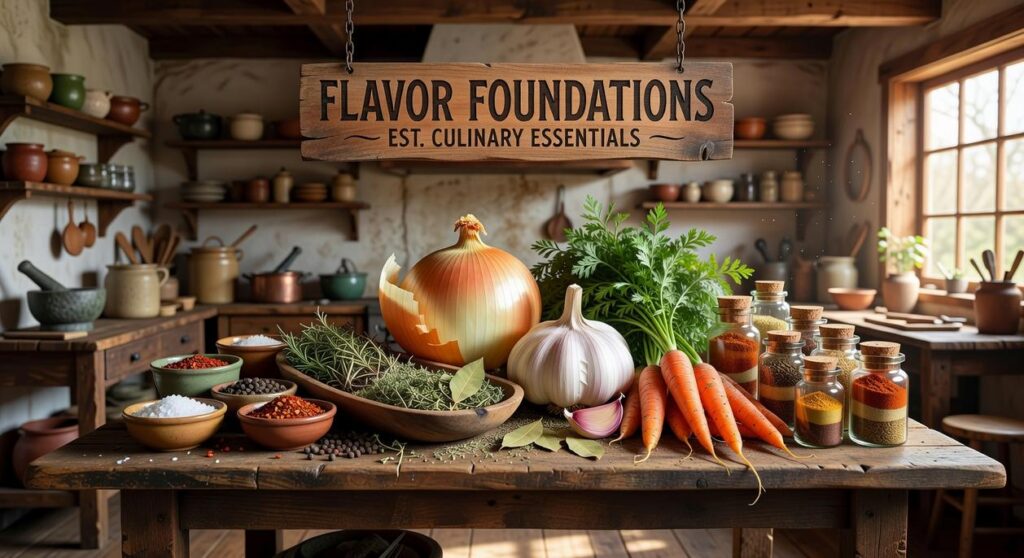
Creating a bold ferment starts with understanding the aromatic base. Aromatics are vegetables and roots that release strong, fragrant compounds when cut, crushed, or soaked. Think garlic, ginger, and onions or scallions. Garlic contains allicin, a sulfur compound that delivers that sharp, unmistakable punch (the smell that lingers on your fingers is proof). Ginger brings gingerol, which adds warmth and subtle heat. When submerged in brine—a saltwater solution used for fermentation—these compounds slowly diffuse, meaning they spread evenly through the liquid over time. The result? Depth that tastes layered rather than one-note.
Some argue aromatics overpower delicate vegetables. That can happen. But fermentation naturally mellows harsh edges, transforming sharpness into complexity. It’s less “raw bite” and more “slow burn.”
Heat and Spice Infusions
Spices define regional identity. Gochugaru, Korean chili flakes, give kimchi its vibrant red hue and balanced heat. Unlike crushed red pepper, gochugaru is fruity and slightly smoky. In contrast, classic pickling leans on mustard seeds (which release mild bitterness), dill, and peppercorns for a cleaner, sharper profile.
A common misconception is that more spice equals more flavor. Not quite. Flavor comes from balance. Mustard seeds pop gently in brine, while peppercorns add background warmth rather than fire. (Think supporting actor, not main character.)
Herbal Notes
Herbs add high notes—the bright, fresh aromas that sit on top of deeper flavors. Dill weed offers grassy freshness, bay leaves bring subtle bitterness, and caraway seeds contribute an earthy sweetness. Fresh herbs provide vibrancy; dried herbs offer concentration.
When working with fermented snack ingredients, layering aromatics, spices, and herbs prevents flatness and builds dimension.
Flavor Hack: Toast whole spices like coriander or mustard seeds in a dry pan before adding them to brine. Heat releases essential oils—the volatile compounds responsible for aroma—intensifying flavor. (Pro tip: Toast just until fragrant; burnt spices turn bitter fast.)
For more on ingredient innovation, explore protein rich legumes transforming better for you treats.
The Brine: The Liquid Medium
At the heart of any successful ferment is the brine—a simple mixture of salt and water that does heavy lifting. Salt draws moisture from vegetables, creating an anaerobic (oxygen-free) environment where beneficial bacteria like Lactobacillus thrive. But here’s the catch: chlorine-treated tap water can inhibit these microbes. Research published in the Journal of Water and Health shows chlorine is specifically designed to kill bacteria—even the good kind. Using filtered or dechlorinated water significantly improves fermentation consistency (pro tip: let tap water sit uncovered for 24 hours to allow chlorine to dissipate).
Some argue modern water treatment levels are too low to matter. Yet small-batch fermenters repeatedly report stalled ferments traced back to chlorinated water. When microbes are your workforce, why sabotage them?
A Touch of Sweetness
A small amount of sugar jumpstarts fermentation by feeding lactic acid bacteria. Studies in Food Microbiology confirm that readily available sugars accelerate acid production in early stages. Natural sugars from fruit slices can balance acidity while fueling microbial growth.
Umami Elements (Advanced)
For deeper complexity, traditional additions like fish sauce or fermented shrimp paste contribute glutamates—compounds responsible for savory flavor. According to the Journal of Food Science, glutamates enhance perceived richness and mouthfeel.
- Use chlorine-free water
- Add minimal sugar to activate bacteria
- Layer umami for depth
These principles elevate fermented snack ingredients from good to unforgettable.
Ingredient Synergy: A Deconstruction of Classic Ferments
Fermentation works because each ingredient plays a role in a tiny ecosystem (think “The Avengers,” but edible).
Kimchi Breakdown
- Napa cabbage: the structural base, holding texture.
- Salt: draws out moisture, creating a safe microbial environment.
- Gochugaru: adds heat and color.
- Garlic/ginger: aromatic complexity.
- Fish sauce: deep umami backbone.
Practical tip: Massage salt into cabbage for 5–10 minutes to jumpstart brine formation.
Classic Dill Pickle Breakdown
- Cucumbers: crisp foundation.
- Salt and water: brine for preservation.
- Garlic and dill: bright aromatics.
- Peppercorns: subtle spice.
Use fermented snack ingredients creatively—add pickle brine to dips for extra tang.
Mastering fermentation starts with the quiet chemistry between produce, salt, and bold add-ins. I once oversalted a batch and learned restraint the hard way (brine is unforgiving). Treat fermented snack ingredients as a toolkit, not a rulebook.
- Experiment, taste, adjust.
Your next signature crunch begins there. Start small boldly.
Bring Bold Flavor Back to Snacking
You came here looking for fresh inspiration, smarter ingredient swaps, and creative ways to elevate everyday bites. Now you’ve seen how flavor innovation, healthier choices, and fermented snack ingredients can completely transform the way you think about snacking.
The truth is, boring snacks and unclear nutrition labels make it hard to enjoy food without guilt or guesswork. You want bold taste, better ingredients, and ideas that actually work in your kitchen.
Here’s your next move: start experimenting with fusion flavors, upgrade one staple snack with fermented snack ingredients, and apply a simple packaging hack to keep everything fresher, longer. Small changes create big flavor shifts.
If you’re ready to take your snack game further, explore more flavor guides and proven kitchen tips trusted by thousands of modern home cooks. Discover new ideas, try one today, and turn your next batch into something unforgettable.