What Are Ancient Grains? A Look Beyond Modern Wheat
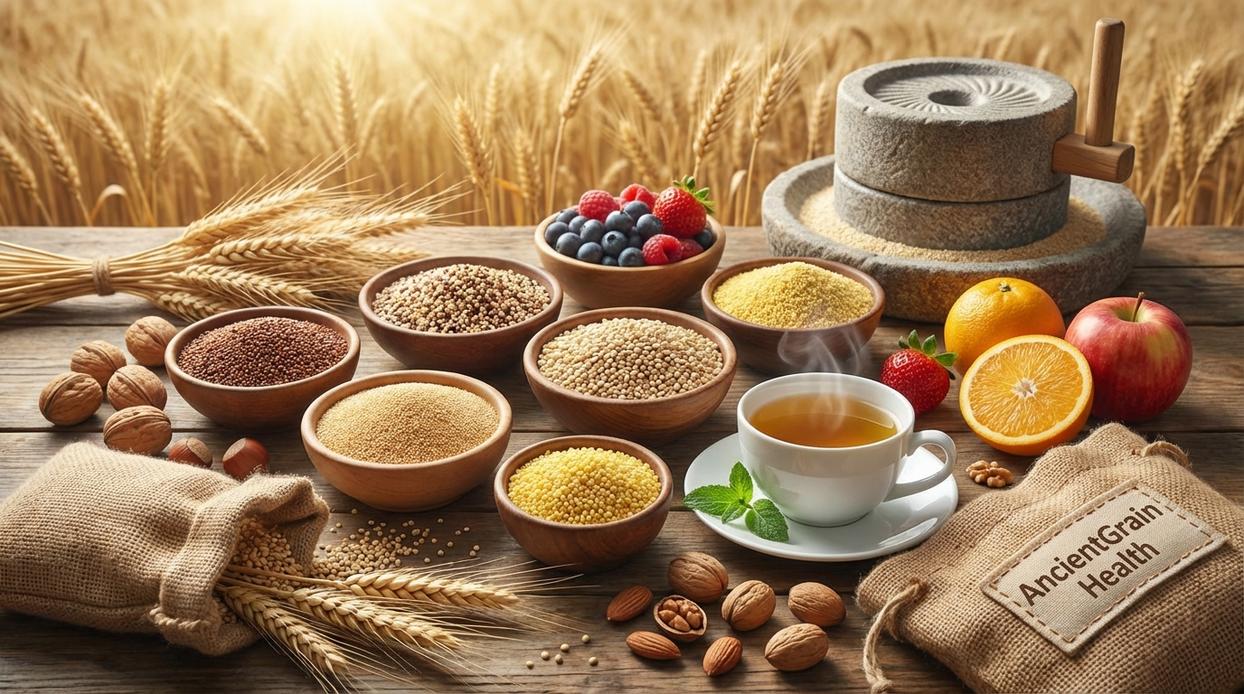
Ancient grains are cereals and pseudocereals that have remained largely unchanged for hundreds—sometimes thousands—of years. Unlike modern wheat, which has been extensively cross-bred to improve yield and baking performance, these grains retain their original genetic makeup. In other words, what you’re eating today closely resembles what early civilizations harvested (which is pretty remarkable when you think about it).
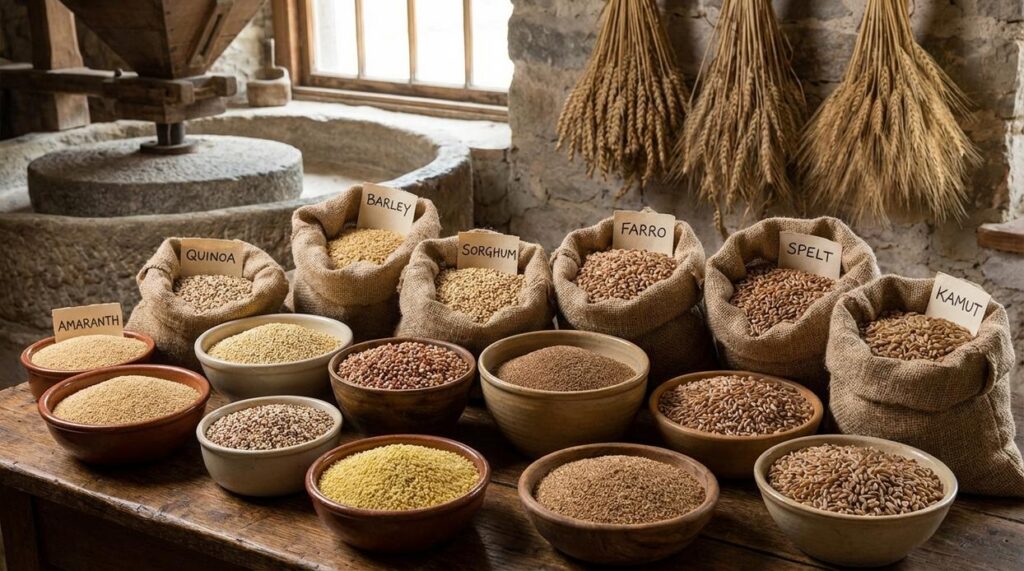
So, what counts? Popular options include quinoa, millet, sorghum, amaranth, farro, and teff. Each brings distinct textures and flavors—nutty farro, peppery quinoa, or mildly sweet millet.
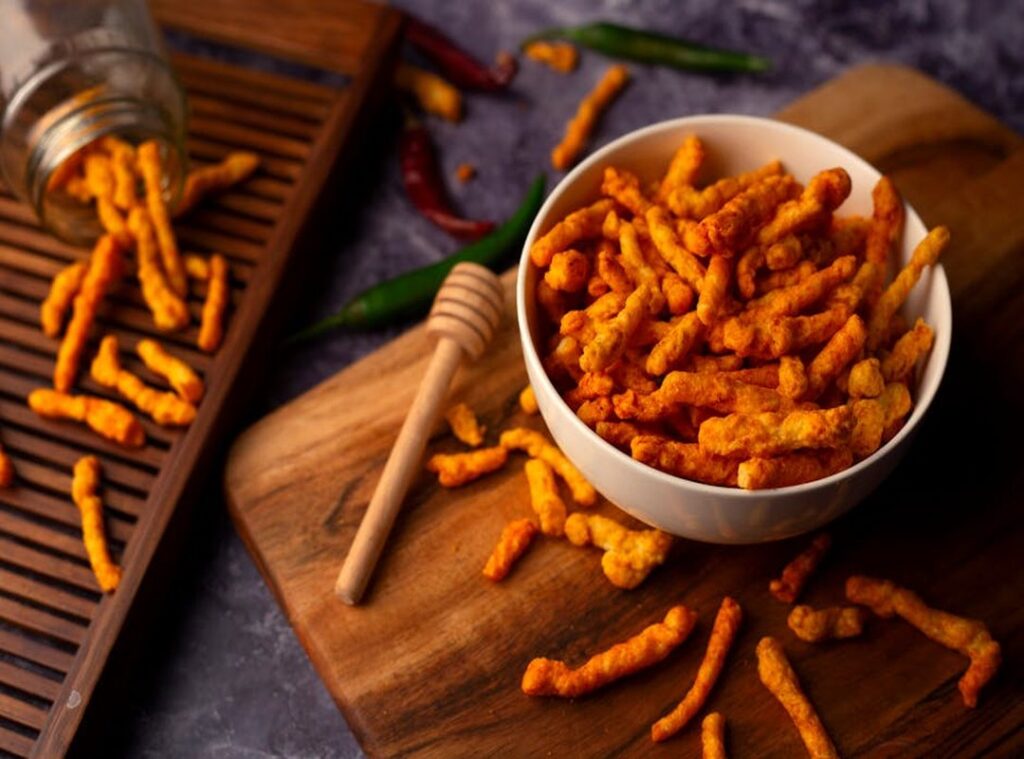
The core difference lies in minimal hybridization and processing, which helps preserve ancient grains nutrition and robust taste. For example, swap white rice with quinoa in a grain bowl, or pop sorghum like popcorn for a crunchy snack. You can also explore creative ideas in superfoods transforming everyday snack recipes.
Start simple: replace one refined grain in your pantry this week and notice the flavor upgrade.
A Simple Step Toward a Healthier You
You came here looking for a practical way to eat better without overhauling your entire diet. As you’ve seen, focusing on ancient grains nutrition is one of the simplest, most effective steps you can take.
If you’re tired of relying on refined products that leave you feeling sluggish and unsatisfied, this is your solution. By swapping them for nutrient-dense ancient grains, you naturally increase your fiber, protein, and essential minerals—without complicated meal plans.
The best part? These grains fit easily into the meals you already enjoy, from breakfast bowls to hearty dinners.
Start small. Pick one new grain—like quinoa or millet—and try it in a simple recipe this week. Your body will thank you.