Creating chibi kawaii poses cuerpo anime can be a real challenge. Many artists find it tough to make their chibi characters look both cute and dynamic. Stiff, unappealing poses are all too common.
But don’t worry, I’ve got some practical tips to help you out.
I’ve been there, struggling with the same issues. It’s frustrating when your characters just don’t seem to come alive.
This article will show you how to create adorable and engaging chibi poses. Perfect for any project, whether you’re working on a comic, an illustration, or just for fun.
Let’s dive in and get those chibi characters moving!
Understanding Chibi Style: Basics and Key Features
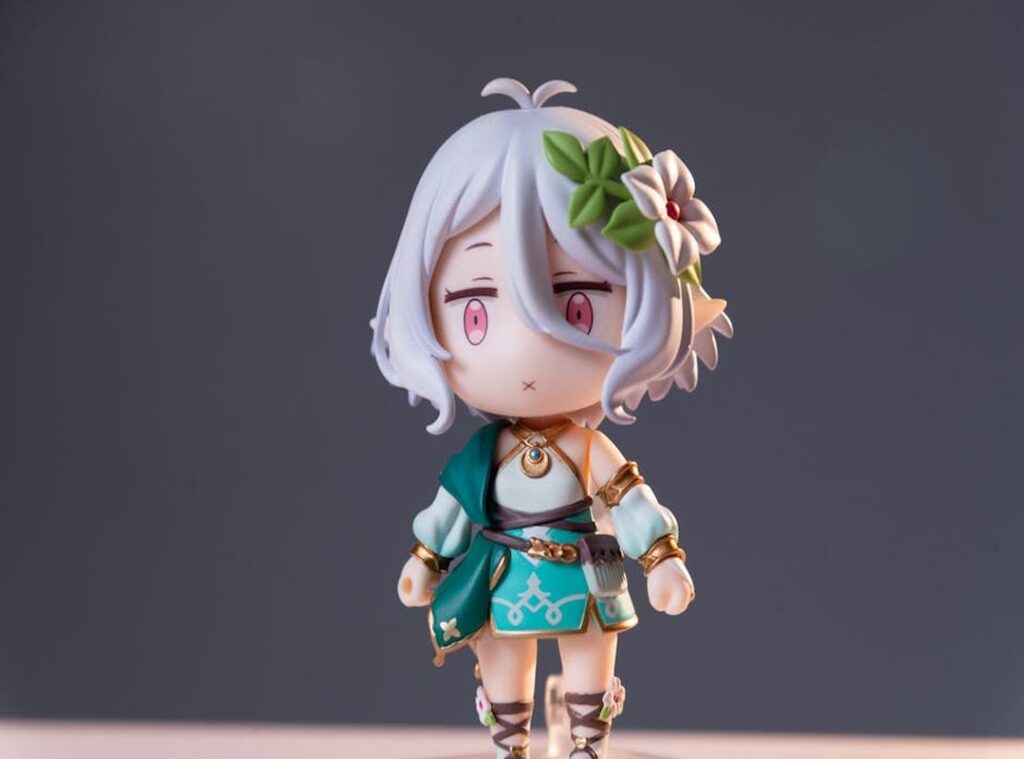
I remember the first time I saw a chibi character. It was in an anime, and I was instantly drawn to its cuteness. Large heads, small bodies, and simplified features—that’s what makes a character chibi.
Key Features: Identifying the essential elements that make chibi characters cute and appealing. Think of those big, expressive eyes and the adorable, chibi kawaii poses cuerpo anime. These elements are what give chibi characters their charm.
Proportions: How to balance the head-to-body ratio for the perfect chibi look. Typically, the head is about one-third to one-half the size of the entire body. This exaggerated ratio is what makes them so endearing.
It’s all about finding that sweet spot where the character looks cute but still recognizable. Trust me, once you get it right, you’ll be hooked.
Basic Chibi Poses: Simple and Effective
Drawing chibi characters can be a lot of fun, especially when you nail those simple yet charming poses. Let’s dive into three essential poses: standing, sitting, and walking.
Standing Pose
A standing pose is your go-to for a classic, cute look. Start by drawing a small, round head with big, expressive eyes. The body should be about 2-3 times the size of the head.
Keep the arms and legs short and stubby. This gives that adorable, kawaii feel.
Sitting Pose
Sitting poses are great for adding a relaxed vibe to your chibi character. Draw the character with their legs crossed or bent at the knees. The hands can rest on the lap or hold a small object.
This pose is perfect for showing a more laid-back, casual side.
Walking Pose
To add movement and energy, try a walking pose. Position one foot slightly in front of the other. The arms can swing naturally, opposite to the legs.
This pose brings life to your character, making them look like they’re on the move.
Comparing the Poses
| Pose | Characteristics | Best For |
|---|---|---|
| Standing | Simple, symmetrical | Classic, cute looks |
| Sitting | Relaxed, asymmetrical | Casual, laid-back scenes |
| Walking | Dynamic, asymmetrical | Showing movement and energy |
Each pose has its unique charm and use. A standing pose is great for simplicity and cuteness, while a sitting pose adds a relaxed, cozy feel. If you want to show action and energy, a walking pose is the way to go.
When choosing a pose, think about the mood and story you want to tell. Do you want your chibi kawaii poses cuerpo anime to be calm and collected, or full of life and movement?
By mastering these basic poses, you’ll have a solid foundation to create a variety of chibi characters. Happy drawing!
Dynamic Chibi Poses: Adding Movement and Expression
Drawing a bouncy and energetic jumping chibi pose is all about capturing that moment of lift-off. Think about the character’s feet just leaving the ground, and their arms and legs spread wide for balance.
To capture the speed and motion in a running chibi pose, focus on the character’s legs. One leg should be extended forward, while the other is pushed back. The arms can be bent at the elbows, swinging naturally.
Creating a fun and lively dancing chibi pose requires a bit of imagination. Picture the character mid-twirl, with one foot off the ground and the other supporting their weight. Their arms can be raised or outstretched, adding to the playful vibe.
When it comes to chibi kawaii poses cuerpo anime, the key is to exaggerate the features and movements. This makes the characters look more adorable and expressive.
By using these techniques, you can bring your chibi characters to life, making them dynamic and full of personality.
Expressive Chibi Poses: Emotions and Facial Expressions
Drawing chibi characters can be a lot of fun, especially when you want to show different emotions. Here’s how to nail those expressive chibi kawaii poses cuerpo anime.
- Happy Pose:
- Start with a big, open smile.
- Add sparkling eyes and rosy cheeks.
-
Make the body language light and bouncy, like they’re about to jump for joy.
-
Sad Pose:
- Draw droopy eyes and a frowning mouth.
- Add a single tear or a sad expression.
-
The body should look dejected, with shoulders slumped and head hanging low.
-
Angry Pose:
- Show a furrowed brow and a tight, angry mouth.
- Add sharp, intense eyes.
- The body should be tense, with clenched fists and a forward-leaning stance.
Remember, the key is in the details. Small changes in the eyes, mouth, and body posture can make a big difference in how the emotion comes across.
If you’re looking to improve your drawing skills, try practicing these poses regularly. And if you need some snacks to keep you going, check out batch cooking strategies for consistent snack quality.
Interactive Chibi Poses: Characters in Action
Drawing chibi characters can be a lot of fun, especially when you want to show them in action. Let’s dive into some key poses that can bring your chibi kawaii poses cuerpo anime to life.
Hugging Pose
How do you draw a heartwarming hugging pose between two chibi characters? Start by making their bodies slightly curved and their arms wrapped around each other. Add a few hearts floating around for that extra touch.
It’s like those cute moments in Studio Ghibli movies where the characters share a tender hug.
High-Five Pose
Creating a playful and interactive high-five pose is all about capturing the energy. Draw the characters with one arm raised and the other hand reaching out. Their faces should be smiling and full of excitement.
Think of those iconic high-fives in The Sandlot—it’s all about the enthusiasm.
Talking Pose
Capturing a conversation between chibi characters requires expressive poses. Show one character gesturing with their hands while the other listens intently. Their eyes and mouths should reflect the emotions of the conversation.
It’s like those animated scenes in Adventure Time where Finn and Jake are deep in discussion.
Advanced Chibi Poses: Creative and Unique Ideas
When it comes to chibi kawaii poses cuerpo anime, there’s a whole world of creativity waiting for you. Let’s dive into some unique and fun ideas.
First up, the flying pose. This one adds a sense of flight and freedom to your character. Think about how you can use dynamic lines and angles to show movement.
A good tip is to draw the character with their arms outstretched and legs slightly apart, as if they’re soaring through the air.
Now, let’s talk about the magic spell pose. This pose is all about creating a magical and enchanting scene. You can have your character holding a wand or staff, with a sparkly effect around them.
Try adding some swirling lines and stars to give that extra magical touch. It’s all in the details.
Moving on to the superhero pose. This one is all about power and action. Picture your chibi character with a determined expression, fists clenched, and maybe even a cape flowing behind them.
Use strong, bold lines to emphasize the strength and heroism.
By incorporating these creative and unique poses, you can bring a new level of life and energy to your chibi characters.
Bringing Your Chibi Characters to Life
Recapping the key points, we started with the basics of chibi kawaii poses cuerpo anime and moved on to more advanced techniques. With these tips, you can create a wide range of cute and dynamic chibi poses for your projects. Practice and experiment with different poses.
Find your unique style and bring your chibi characters to life.