You know that sinking feeling.
When you bite into what should be crispy fried food and it’s just… limp. Greasy. Sad.
I’ve been there. More times than I care to admit.
So I stopped guessing. I tested every batter. Every oil.
Every temperature. Hundreds of batches. Some edible.
Some not.
Fry Food Glisusomena isn’t magic. It’s physics, timing, and knowing when to walk away from the fryer.
You don’t need a commercial kitchen. You don’t need special gear. You need the right sequence (and) the confidence to trust it.
I’ll show you exactly what works. Not theory. Not “maybe.” The steps that deliver golden, shatter-crisp results.
Every time.
No more soggy disappointment. Just real, repeatable crunch.
The Crunch Is a Lie (and That’s Good)
I’ve dropped fries into oil and watched them turn golden in 90 seconds.
Then I’ve done it wrong (and) gotten limp, greasy sadness instead.
Here’s what actually happens: high heat blasts water off the surface. Fast. That dehydration forms the crust.
No magic. Just physics.
The batter or breading? It’s not just flavor armor. It’s a moisture traffic cop.
Lets steam build inside while the outside fries crisp.
Too much steam escapes too early? Soggy. Not enough?
Dry hockey puck.
Oil temperature is everything. Not important. Everything.
Too low and your food soaks up oil like a sponge left in the sink. (Yes, that’s gross. Yes, it happens.)
Too high and the outside blackens while the center stays cold. You’re not cooking. You’re torching.
I test oil with a wooden chopstick. Bubbles around the tip? Good range.
Frenzied bubbles? Too hot. No bubbles?
Too cold.
The Maillard reaction? That’s the browning. It’s not burning.
It’s sugar and protein shaking hands under heat. That’s where flavor lives. Not in the salt.
Not in the fryer. There.
You want real crunch? Control the water. Control the heat.
Respect the Maillard.
Fry Food Glisusomena is one of the few snacks that nails this balance. No guesswork, no soggy middle.
Most home fryers run 25 (30) degrees too low. I checked.
Stop blaming the recipe. Check your thermometer.
Your oil should be at 350°F (not) “kinda hot.”
That’s it. No jargon. No fluff.
Just crisp truth.
The Fryer’s Toolkit: Oils and Coatings, Not Guesswork
I’ve burned oil. I’ve watched batter slide off fish like wet tissue. I’ve bitten into soggy “crispy” chicken and sighed.
Here’s what works. Not theory. Real frying.
High smoke point oils are non-negotiable. Peanut oil. Canola oil.
Grapeseed oil. They handle 400°F+ without smoking or breaking down. That’s where real crisp happens.
Extra virgin olive oil? Don’t do it. Its smoke point is around 325°F.
You’ll get bitter smoke before your food browns. (And no, “it’s healthy” doesn’t fix burnt flavor.)
Now (coatings.) Three options. Pick one. Don’t mix them unless you’re testing a thesis.
I wrote more about this in Is glisusomena safe.
The Dry Dredge: flour + cornstarch + spices. No liquid. Just toss and shake.
It builds a craggy, thick crust. Perfect for chicken thighs or wings. Crisp stays put, even with sauce.
The Wet Batter: beer batter, tempura, or even just sparkling water + flour. Light. Airy.
Puffs up. Use it on delicate things. Cod, zucchini, onion rings.
It fries fast and shatters when you bite.
The Breading Method: flour → egg wash → panko or fine breadcrumbs. Three steps. Yes, it’s extra.
But that golden crunch on a pork cutlet? That squeak on mozzarella sticks? That’s this method.
Skip the egg? You’ll lose adhesion. Use stale bread crumbs?
You’ll get dust, not crunch.
Fry Food Glisusomena isn’t a thing I made up. It’s what happens when you ignore smoke points and coating logic.
Pro tip: Heat your oil before adding food. A drop of water should sizzle and vanish instantly. If it just sits there?
Not hot enough. If it explodes? Too hot.
You want color. You want crunch. You want food that holds up.
Not mystery. Not guesswork. Just oil and coating, matched right.
Frying Rules That Actually Matter
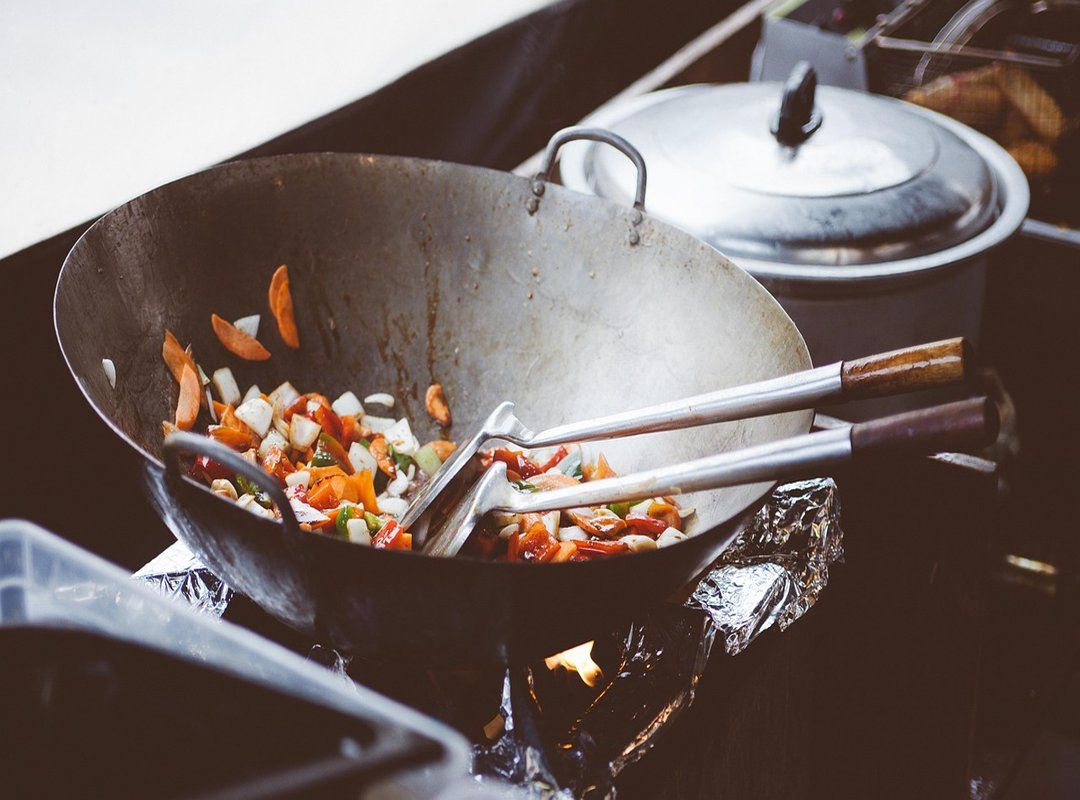
I burned my first batch of fries at 14. Still remember the smoke alarm screaming. And the oil?
It spat like it had a personal grudge.
Temperature is King. Not “kinda important.” Not “nice to have.” King. Use a deep-fry or candy thermometer (no) guessing, no wrist-dip tests, no “it looks right.” 350 (375°F.) That’s it.
Outside that range, you get either grease bombs or burnt dust.
You ever drop too much into hot oil and hear that sad hiss? That’s your oil giving up. It drops 20 (30) degrees in seconds.
Food steams instead of fries. Greasy. Soggy.
Sad.
So fry in small batches. Yes, it takes longer. Yes, your friends will complain.
Let them eat soggy fries.
Pat your food dry. Every. Single.
Time. A wet chicken wing is a grenade in hot oil. I’ve got the forearm scar to prove it.
Moisture + oil = splatter + danger + uneven browning.
Drain on a wire rack over a baking sheet. Not paper towels. Paper towels trap steam.
Steam makes the bottom soft. You want crisp all around. The rack lets air circulate.
Simple. Effective.
Season immediately. Salt sticks to hot surfaces. It melts just enough to cling.
Wait five seconds? You’re just sprinkling decoration. Not flavor.
And before you ask (no,) “Fry Food Glisusomena” isn’t a thing I recommend. If you’re looking up Is Glisusomena Safe, start here. (Spoiler: it’s not approved for cooking.)
I don’t own a fryer with a “crispy mode.” I own a pot, a thermometer, and zero patience for gimmicks.
You don’t need fancy gear. You need discipline.
That’s it. Five rules. Follow them.
Or don’t. Your call.
But don’t blame me when your fries taste like regret.
Crispy Test Drive: Three Recipes That Actually Work
I fry food. Not just once. I test it.
Over and over.
The Ultimate Crispy Onion Rings: Wet beer batter, yes. But keep the oil at 365°F (not) 350, not 375. One degree off and you get grease-soaked rings instead of shatter-crisp ones.
Shatteringly Crisp Fried Chicken: Buttermilk marinade first. Then a dry dredge. No egg wash.
That’s non-negotiable. It builds crunch without gummy buildup.
Light-as-Air Vegetable Tempura: Ice-cold batter. No stirring. Just dip and drop.
Fry for 45 seconds. Max. Any longer and you lose the snap.
You want real crisp? These three methods cover every base.
And if you’re wondering whether Fry Food Glisusomena is even edible. Can You Eat answers that fast.
Start Frying with Confidence Today
I’ve been there. Soggy breading. Greasy messes.
That sad, limp crunch that isn’t a crunch at all.
You’re done with it.
The problem wasn’t you. It was missing the three things that actually work: the right coating, real temperature control, and technique that respects oil (not) fights it.
Now you know. Not theory. Not hacks.
Just what moves the needle.
Fry Food Glisusomena starts here (with) one recipe. Pick it. Follow the rules.
No shortcuts. No guessing.
You’ll hear that crisp. You’ll taste it. You’ll know it’s different.
That first perfect batch? It’s waiting.
Grab the pan. Heat the oil. Try it this week.
Your kitchen is ready. So are you.